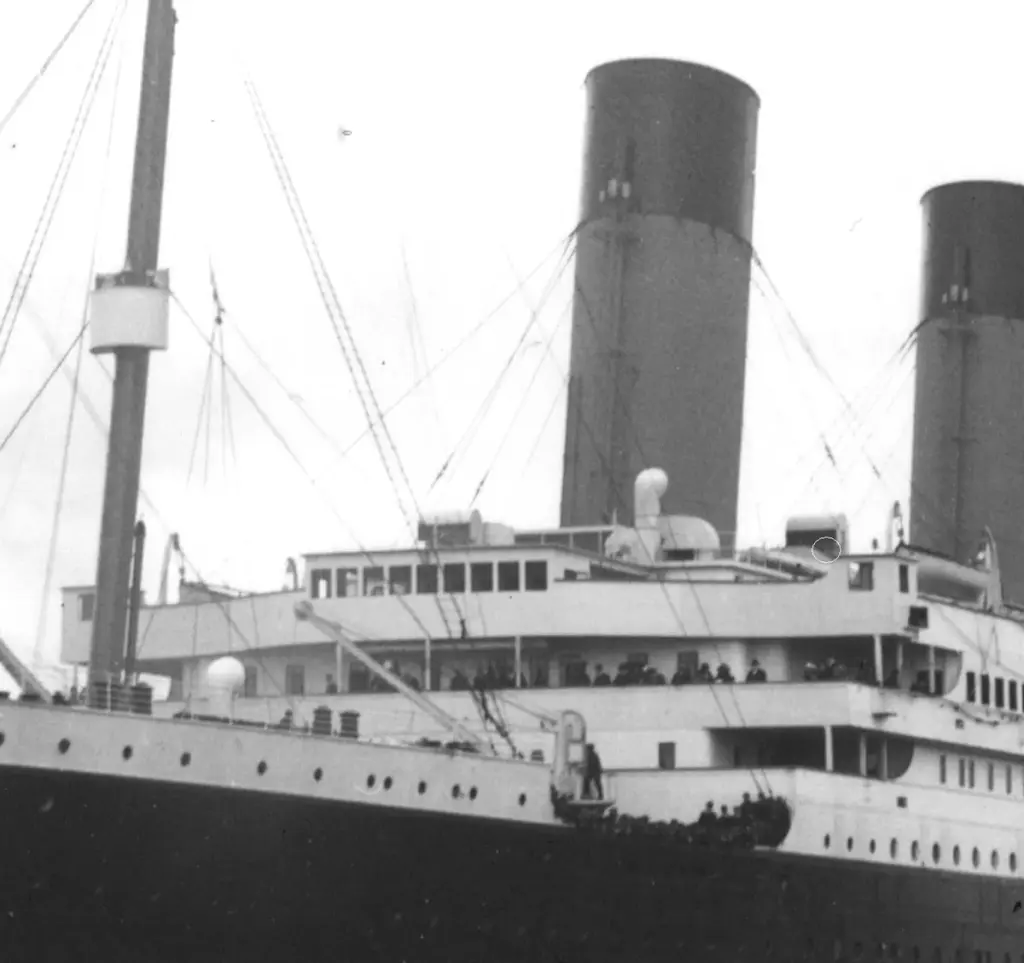
The Titanic’s Legacy
The Titanic, built in Belfast, Northern Ireland, and launched in 1912 by the British shipping company White Star Line, remains one of the most infamous maritime disasters in history. The ship sank on April 15, 1912, resulting in the tragic loss of more than 1,500 passengers and crew.
In a significant development, a new exhibition titled “Titanic. The Human Story” is scheduled to open in Austin on April 10, 2026. This exhibition aims to bring the Titanic’s stories to life, featuring over 200 original artifacts from the ship.
Visitors to the exhibition will have the opportunity to experience life-size recreations of various areas of the Titanic, providing an immersive glimpse into the past. The exhibition will be open through mid-November 2026, with general admission tickets starting at $33 for adults, $24 for students, military, or seniors, and $20 for children ages 4-12. It is estimated that visitors will spend approximately 80 to 90 minutes exploring the exhibition.
In addition to the exhibition in Austin, China is making headlines with its ambitious project to construct a full-scale replica of the Titanic in Suining. This replica will measure about 269 meters (882 feet) in length, closely resembling the original ship.
As preparations for both the exhibition and the replica continue, officials and observers are keen to see how these projects will contribute to the ongoing fascination with the Titanic’s legacy. The exhibition in Austin is expected to attract significant attention, while the replica in China aims to serve as a tourist attraction and educational resource.
Details remain unconfirmed regarding the exact timeline for the completion of the replica, but it is clear that interest in the Titanic remains strong over a century after its tragic sinking.