Introduction
Morrissey, the British singer-songwriter and former frontman of the legendary band The Smiths, remains a polarizing figure in music and culture. Known for his distinctive voice, poignant lyrics, and outspoken views, Morrissey’s relevance extends beyond his music, sparking conversations around societal issues, identity, and artistry. As he continues to tour and release new material, understanding his impact is crucial for fans and critics alike.
The Rise of Morrissey and The Smiths
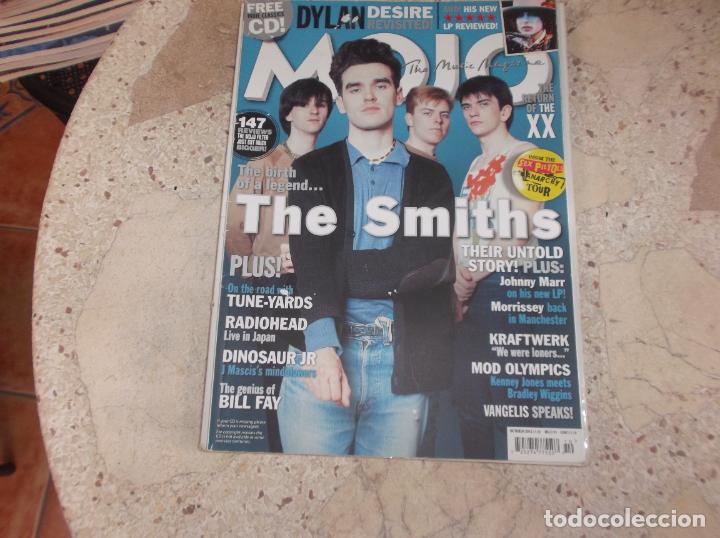
Born Steven Patrick Morrissey in 1959 in Manchester, England, Morrissey first gained fame as the lead vocalist of The Smiths, a band formed in 1982. The Smiths quickly garnered a devoted fan base with hit songs like “There Is a Light That Never Goes Out” and “This Charming Man.” Their unique sound combined jangle pop with Morrissey’s literary lyrics, addressing themes of alienation, love, and existential despair.
Despite disbanding in 1987, The Smiths’ influence continues to resonate with modern musicians and fans. Morrissey’s solo career began shortly after, producing several successful albums, including the critically acclaimed “Viva Hate” and “Your Arsenal.” His bold, often controversial lyrics have sparked much debate over the years but also showcased his ability to connect with the struggles of many listeners.
Controversies and Criticisms
Morrissey is no stranger to controversy, often making headlines for his views on immigration, animal rights, and nationalism. His statements have drawn both fervent support and harsh criticism, creating a complex relationship with his audience. This dichotomy highlights Morrissey’s role not only as a musician but as a cultural commentator.
In recent years, his public remarks have made him a divisive figure, with some fans grappling with their admiration for his music while disagreeing with his views. His 2020 album “I Am Not a Dog on a Chain” further exemplified his ongoing evolution as an artist still willing to challenge norms.
Conclusion
As Morrissey continues to produce music and engage with his audience, his legacy remains a fascinating study in the interplay between artistry and public perception. For many, he is not just an artist but a voice that captures the complexities of life. Whether viewed through the lens of his early work with The Smiths or his current endeavors, Morrissey’s influence on the music industry and the broader cultural landscape is undeniable. Looking ahead, his role as a cultural icon serves as a reminder of the fine line artists walk between personal expression and public scrutiny.