What Happened
As Ramadan progresses, the significance of iftar, the meal to break the fast, becomes increasingly prominent in many households. After a day of fasting and prayers, families eagerly prepare for this moment, often focusing on traditional foods. However, health experts emphasize the need for iftar menus to prioritize nutritional recovery over mere taste.
Why It Matters
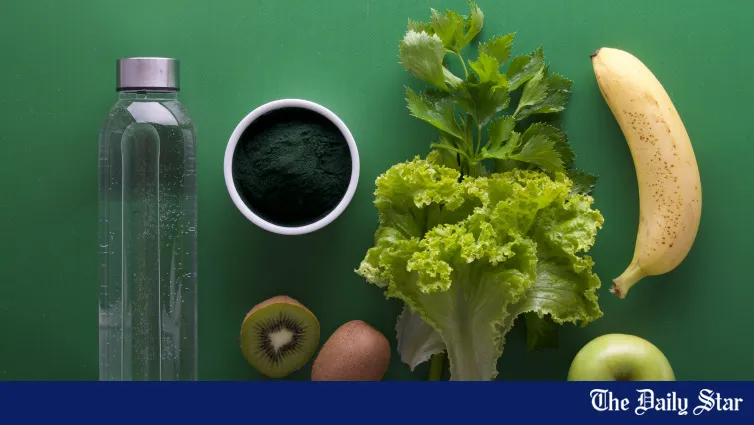
Hydration is a critical aspect of iftar, with many individuals reminded of the importance of drinking water. Yet, alternatives such as cucumbers and lettuce, which are over 90% water, can also play a vital role in maintaining hydration. These vegetables can be easily incorporated into various dishes, making them ideal for iftar menus. Additionally, the visual representation of iftar in regions like Gaza highlights the resilience of communities amidst adversity, as families gather around long tables in the shadow of destruction.
What’s Next
As Ramadan continues, it is essential for individuals to consider their dietary choices during iftar. Emphasizing hydration and nutritional value can enhance the overall experience of breaking the fast. Furthermore, the ongoing portrayal of iftar in conflict zones serves as a reminder of the cultural and emotional significance of this meal, prompting discussions on the intersection of tradition and contemporary challenges.