Who is involved
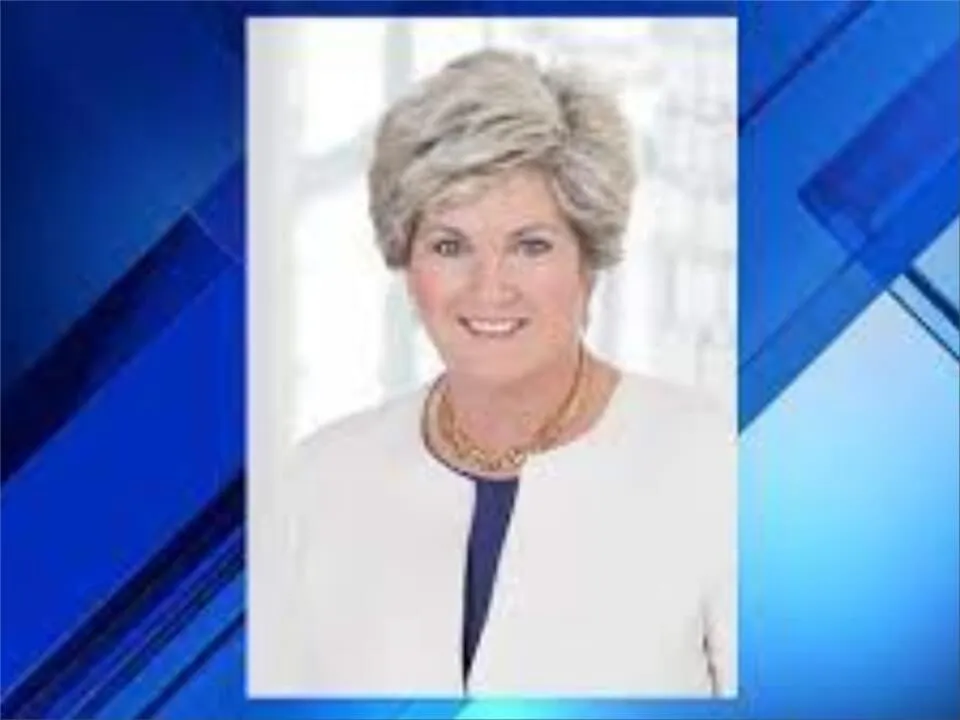
Susie Wiles, a prominent political figure and the first woman to serve as White House chief of staff, has recently been diagnosed with early-stage breast cancer. At 68 years old, Wiles has been a steadfast presence in Donald Trump’s political endeavors, particularly managing his 2024 comeback campaign. Her diagnosis has raised concerns, but it also highlights the importance of early detection in cancer treatment.
Before this development, Wiles was seen as a key player in Trump’s political strategy, with expectations high for her role in the upcoming election cycle. Her unwavering commitment to her work and her close relationship with Trump positioned her as a vital asset in the Republican landscape. However, the news of her cancer diagnosis has shifted the focus from political strategies to personal health challenges.
The decisive moment came when Wiles announced her diagnosis, revealing that she would continue to work while undergoing treatment. This determination to maintain her professional responsibilities during a challenging time underscores her resilience. Wiles expressed gratitude for the support she has received from President Trump, who described her prognosis as excellent, emphasizing the positive outlook associated with early detection.
Wiles’s diagnosis is significant not only for her but also for the broader context of women’s health. She noted that nearly one in eight women in the United States will face a breast cancer diagnosis, a statistic that resonates deeply within the community. This reality brings attention to the importance of regular screenings and early detection, which medical experts agree can significantly improve outcomes for breast cancer patients.
According to the American Cancer Society, more than 300,000 women in the U.S. will be diagnosed with breast cancer this year. This staggering number highlights the prevalence of the disease and the need for awareness and support. Wiles’s experience serves as a reminder of the challenges many women face and the strength required to navigate such a diagnosis.
Experts emphasize that early detection, as in Wiles’s case, can lead to better treatment options and outcomes. Wiles’s cancer was detected early, which improves her prognosis and allows her to continue her work at the White House virtually full-time during her treatment. Her commitment to her role, even in the face of personal health challenges, speaks volumes about her character and dedication.
In her own words, Wiles stated, “I am encouraged by a strong prognosis,” reflecting her optimistic outlook despite the circumstances. Her determination to continue her work while battling cancer has garnered admiration from colleagues and supporters alike. Trump remarked on her strength, saying, “Her strength and her commitment to continue doing the job she loves, and does so well, while undergoing treatment, tells you everything you need to know about her.”
As Wiles navigates this new chapter in her life, her story serves as an inspiration to many. It highlights the importance of early detection in breast cancer and the resilience required to face such challenges head-on. While the political landscape continues to evolve, Wiles remains a significant figure, balancing her health journey with her commitment to her work and the people she serves.