Subaru has reported a decline in sales for March 2026, coinciding with an automotive market where the average price for a new car reached nearly $50,000. Car shoppers paid an average of $49,275 for new vehicles during this month, highlighting the ongoing trend of elevated vehicle prices.
The average manufacturer’s suggested retail price (MSRP) was $51,456 in March 2026, reflecting a 3.9% increase compared to the average MSRP in February 2025. This increase in prices comes despite a slight decrease of 0.1% from February 2026’s average of $49,353, indicating a volatile market where consumer demand remains concentrated in higher-priced segments.
Erin Keating from Cox Automotive noted, “The numbers this month also show that the industry’s near-$50,000 ATP is reflective of a market that favors large, expensive vehicles.” This sentiment underscores the shifting dynamics in consumer preferences, where affordability is overshadowed by a demand for larger, more expensive models.
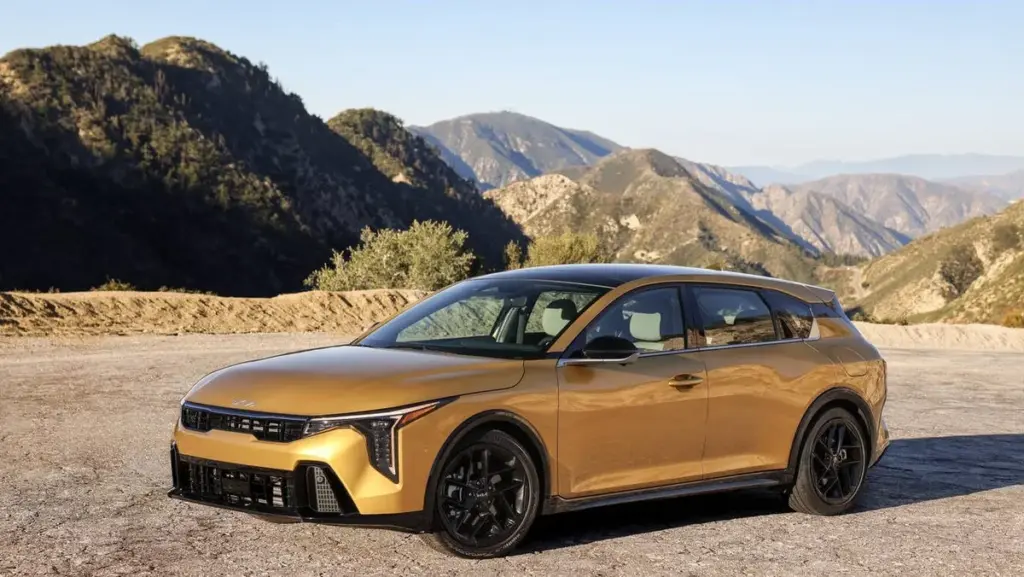
In response to these market conditions, Subaru has implemented various incentives to stimulate sales. The automaker offered a $2,000 rebate on the 2026 Subaru Solterra and provided 0% APR financing for 75 months on select models. However, the average per-vehicle amount across all types of discounts in March was $3,300, indicating that even with incentives, the high price point remains a significant barrier for many consumers.
Despite these challenges, Subaru’s models continue to receive recognition in the market. The Subaru Impreza, with a starting price of $23,495, was awarded #2 Best Wagons by Kelley Blue Book, while the Subaru Crosstrek, starting at $26,995, ranked #5 Best 2-Row SUVs. Such accolades may help maintain interest in Subaru’s offerings amid the broader sales decline.
Dealer inventory levels are expected to remain high, with projections indicating a continuation of 2025 highs at 2.2 million vehicles. This elevated inventory could lead to increased competition among automakers as they strive to attract buyers in a challenging economic environment.
As the market evolves, observers are closely monitoring how Subaru will adapt its strategies to address the sales decline. While affordable vehicles still exist, Keating pointed out that “the demand continues to be concentrated in higher-priced segments,” suggesting that Subaru may need to reassess its product offerings and marketing strategies to align with consumer preferences.
Details remain unconfirmed regarding the long-term implications of these trends for Subaru and the automotive industry as a whole. The ongoing shifts in consumer behavior and economic factors will likely play a crucial role in shaping the future landscape of vehicle sales.