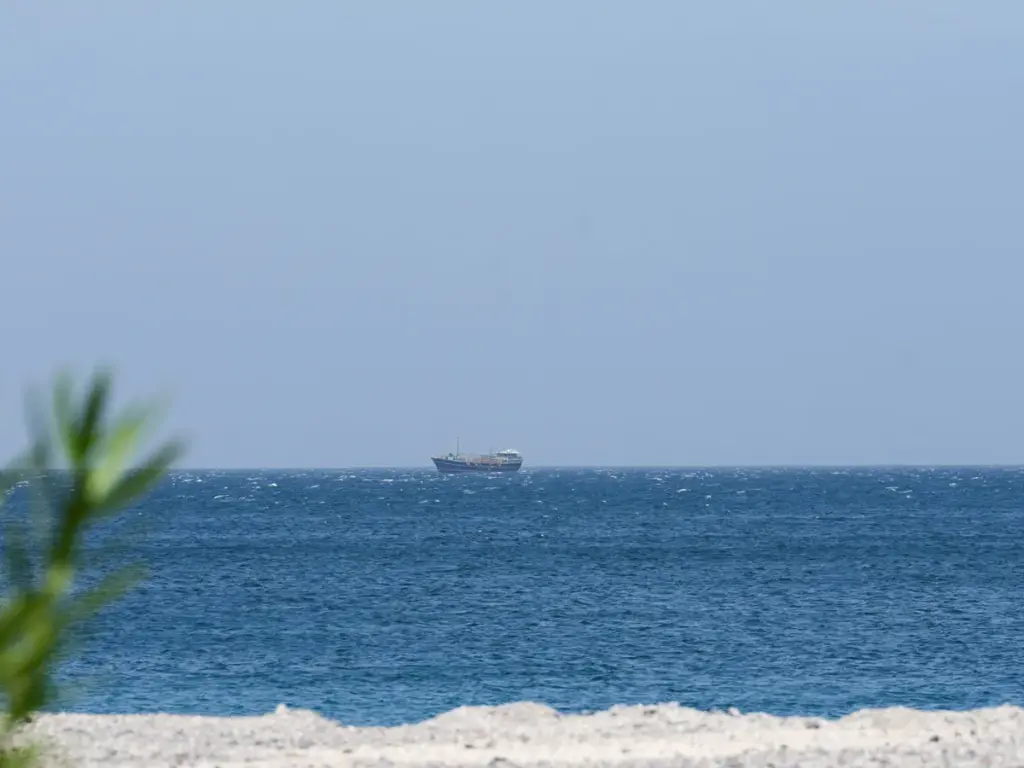
“The claim by the CENTCOM commander regarding the approach and entry of American vessels into the Strait of Hormuz is strongly denied,” stated an Iranian military spokesperson, reflecting the heightened tensions in the region. This statement comes as two US naval ships, the USS Frank E Peterson and USS Michael Murphy, transited the Strait of Hormuz for mine-clearing operations amid ongoing conflict.
The Strait of Hormuz is a critical conduit for global oil supplies, with a fifth of the world’s oil passing through it. Recently, Iran laid mines in the strait following declarations of war from the US and Israel, which has exacerbated the situation. In response, US military officials announced they are setting conditions to clear these mines.
Fuel prices have surged due to the closure of the Strait of Hormuz, leading to a significant energy crisis. Iran’s military has vowed a strong response to any military vessels passing through the strait, asserting that the initiative for the passage of any vessel lies with the Armed Forces of the Islamic Republic of Iran.
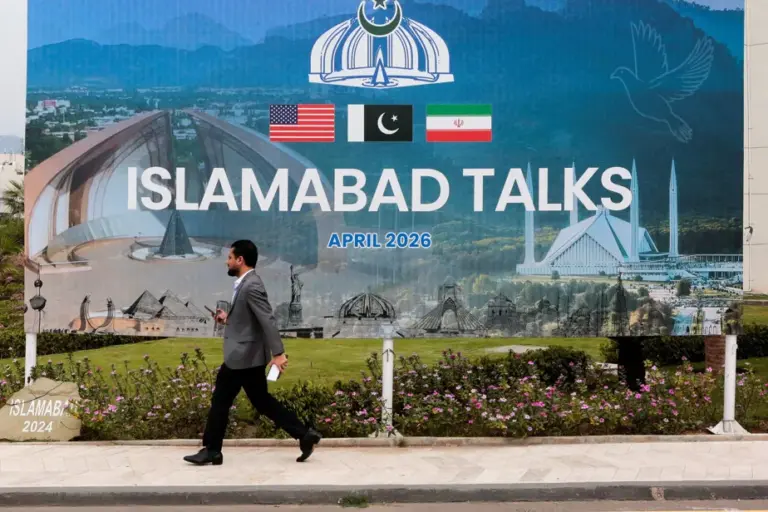
Negotiations between US and Iranian delegations are currently ongoing in Islamabad regarding control of the Strait of Hormuz. The US has labeled continued Iranian control over the strait as a non-starter for these negotiations. Meanwhile, Iran has proposed levying tolls for passage through the strait as compensation for war damages.
As the situation unfolds, the two nations remain at odds over key negotiation points, including the future control of the strait. The strait has remained mostly closed to traffic, with Iran insisting that any ceasefire must also include Lebanon.
Details remain unconfirmed regarding the exact number and location of mines laid by Iran in the Strait of Hormuz, and it is unclear whether the ceasefire will hold beyond its initial two-week period. As tensions continue to rise, the international community watches closely for any developments in this critical region.