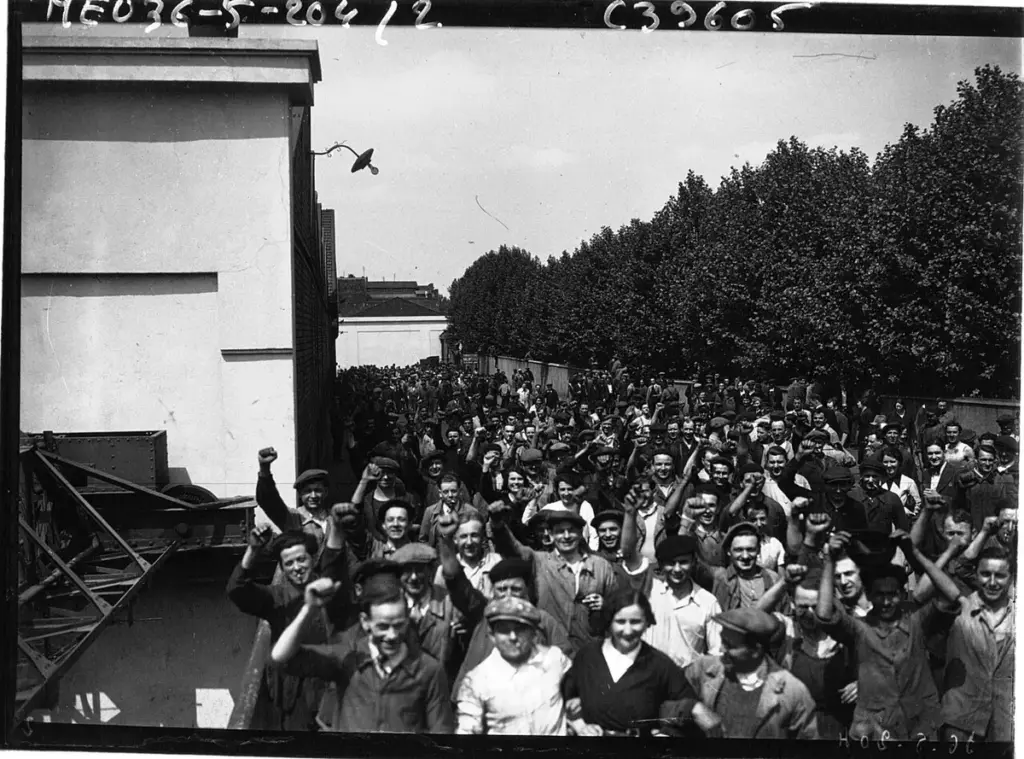
The establishment of social security in France, which has been in place for eighty years, marks a significant milestone in the evolution of old age security. This system is not merely a product of the 20th century; it is rooted in a long history of social movements and legislative efforts aimed at providing support for the elderly. The stakes are high, as the effectiveness of these systems directly impacts the well-being of millions of retirees.
The journey towards old age security began with early social movements, as noted by Jean Jaurès, who referenced social struggles dating back to ancient Egypt concerning retirement. The first formal proposal for a retirement system for older workers was introduced in 1879, signaling the beginning of a legislative process that would evolve over decades. This early advocacy laid the groundwork for future reforms aimed at protecting the rights and welfare of aging citizens.
Significant progress was made with the passage of the law on workers’ and farmers’ pensions, which was voted on by the Chamber of Deputies in 1906 and subsequently by the Senate in 1910. This legislation marked a turning point in social policy, transitioning from mere assistance for the elderly to a structured system of social insurance. The 1905 law, titled “assistance to the elderly,” was a critical step in this evolution, reflecting the growing recognition of the need for a more comprehensive safety net.
Édouard Vaillant articulated the essence of social insurance, stating that it is the guarantee provided by society to protect individuals against the various risks they face throughout their lives. This principle underscores the importance of social security as a fundamental right rather than a privilege. The introduction of voluntary old age insurance allows individuals to contribute to their retirement, validating their entitlements and ensuring a degree of financial security in their later years.
Despite the advancements made, the construction of social protection has always been fraught with challenges. Historical complexities have shaped the current landscape of old age security, with ongoing debates about the adequacy and sustainability of these systems. As noted by Georges Yvetot, the effectiveness of labor movements in securing rights hinges on their ability to demand substantial changes, rather than settling for minimal concessions.
Jean Jaurès further emphasized the significance of the workers’ and farmers’ pension law, acknowledging its imperfections yet recognizing its role in inaugurating social insurance with a more certain right, as opposed to the uncertainty of assistance. This perspective highlights the importance of continued advocacy for robust social security systems that can adapt to the changing needs of society.
As of August 2025, the legal and regulatory framework surrounding old age security remains a topic of discussion, with ongoing evaluations of its effectiveness and reach. The age of retirement has been a contentious issue, with proposals varying from the traditional age of 65 to earlier options suggested by advocates like Édouard Vaillant, who proposed a retirement age of 60. These discussions reflect broader societal values regarding aging and the responsibilities of the state towards its elderly population.
Details remain unconfirmed regarding future reforms and their potential impacts on the existing framework of old age security. As society continues to grapple with demographic changes and economic pressures, the evolution of old age security will undoubtedly remain a critical area of focus for policymakers and advocates alike.