Background and Initial Developments
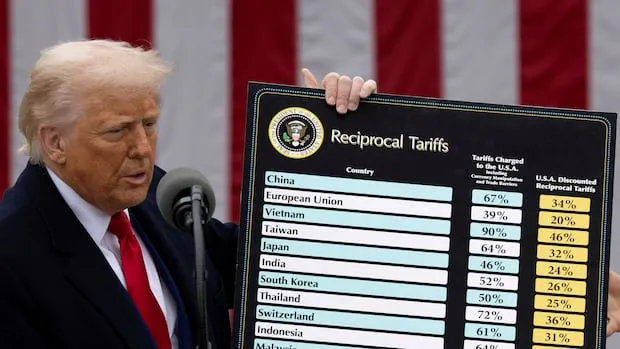
In recent years, the landscape of U.S. trade policy has been significantly shaped by various tariffs and trade investigations. The backdrop of these changes includes the U.S. Supreme Court’s ruling that struck down President Donald Trump’s global tariffs, declaring them illegal. This decision prompted the U.S. administration to seek alternative methods to impose new levies, particularly through Section 301 of the Trade Act of 1974, which grants the president authority to impose trade penalties following an investigation.
Launch of Section 301 Investigations
In response to ongoing trade challenges, the U.S. has initiated a Section 301 investigation targeting 16 trading partners, including China, the European Union, Japan, India, Mexico, Vietnam, and Taiwan. This investigation focuses on excess manufacturing capacity and production, where global supply has significantly exceeded demand. The U.S. Trade Representative announced that this inquiry could lead to new tariffs if unfair trade practices are confirmed.
Focus on Forced Labour and Manufacturing Capacity
In addition to the investigation into excess capacity, the administration is also rolling out a separate Section 301 investigation aimed at banning the import of goods produced with forced labour. This initiative highlights the U.S. commitment to addressing human rights concerns in global supply chains. Approximately 60 countries could potentially be covered by this investigation, underscoring the broad scope of the U.S. efforts to ensure fair trade practices.
Current State of Affairs
As of now, the investigations are ongoing, and the U.S. government is evaluating the findings to determine the next steps. The administration, represented by officials like Jamieson Greer, emphasizes the importance of protecting American jobs and ensuring fair trade with international partners. Greer stated, “We expect that this investigation will uncover a variety of unfair trading practices related to excess capacity and production in manufacturing.”
Implications for Trade Relations
The sequence of events surrounding Section 301 tariffs is significant for various stakeholders involved in international trade. The potential for new tariffs could reshape trade relations, particularly with the targeted economies. The uncertainty surrounding the exact impact of these new import taxes on existing trade agreements remains a concern, as details remain unconfirmed.
Future Considerations
The U.S. administration’s approach to trade policy continues to evolve, with officials indicating that the tools used may change in response to legal challenges and other factors. Greer remarked, “He’ll find a way to protect U.S. manufacturing. We have a lot of tools to do it.” This adaptability suggests that the U.S. will continue to explore various avenues to address trade imbalances and protect domestic industries.
As the investigations into Section 301 tariffs progress, the outcomes will likely have lasting implications for international trade dynamics. The U.S. government’s commitment to addressing unfair practices and protecting American jobs underscores the ongoing complexities of global trade relations.