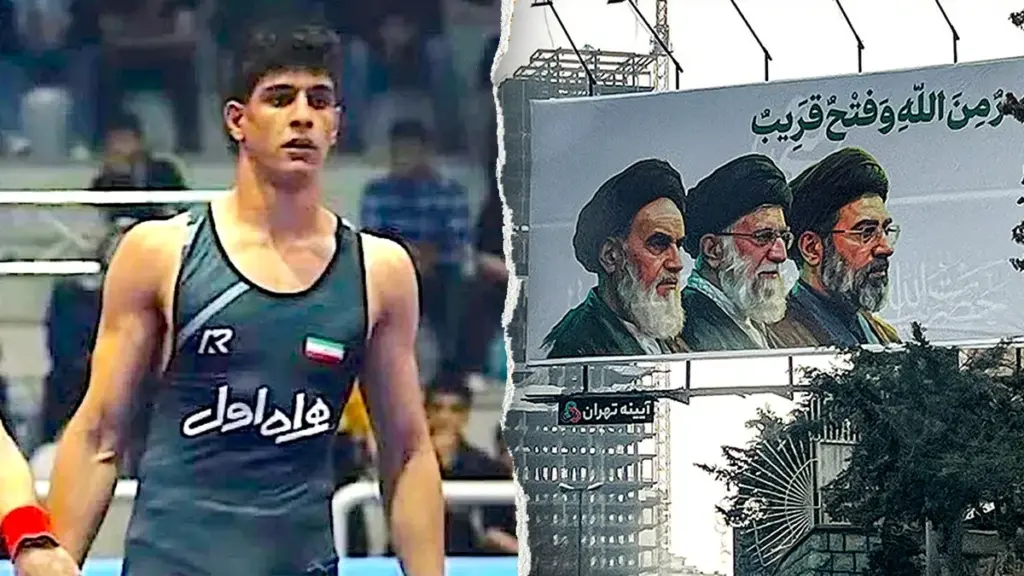
Saleh Mohammadi was executed by hanging on March 19, 2026, at the age of 19, following accusations of killing two police officers during protests. His execution is part of a broader crackdown on dissent in Iran, which has seen an increase in state-sanctioned violence against protesters and dissenters.
Mohammadi’s trial, which took place under the Iranian judiciary, has been widely criticized for lacking due process. Reports indicate that he was subjected to forced confessions and physical abuse, with his hands reportedly fractured from beatings prior to his execution. Human rights organizations have condemned the Iranian regime’s actions, labeling them as blatant political murders aimed at silencing opposition.
The numbers
On the day of his execution, three individuals were reported to have been executed, highlighting a concerning trend in Iran’s judicial practices. Mohammadi, who turned 19 just days before his execution on March 11, 2026, was a promising athlete, having previously won a bronze medal at the Saytiyev International Cup in September 2024. His status as a champion wrestler made his case particularly poignant for many observers.
The Iranian regime has claimed that individuals like Mohammadi acted on behalf of foreign adversaries, specifically Israel and the United States, as part of their justification for the executions. This narrative has been met with skepticism by human rights activists, who argue that the regime uses such claims to deflect attention from its own oppressive actions.
Nima Far, a human rights advocate, stated, “His execution was a blatant political murder, part of the Islamic Republic’s pattern of targeting athletes to crush dissent and terrorize society.” This sentiment has been echoed by various organizations, including the Center for Human Rights in Iran (CHRI), which condemned the execution as a tactic to instill fear among the populace. CHRI remarked, “Executing these young protesters in public, after sham trials built on torture and forced confessions, is state-sanctioned murder designed to terrorize the population and send a clear message: any act of dissent will be met with death.”
The U.S. State Department also expressed deep concern regarding Mohammadi’s imminent execution, emphasizing the international community’s disapproval of Iran’s treatment of its citizens. Alizreza Nader, another commentator, lamented, “I feel very bad for him and his family. There should be a boycott of the regime when it comes to international sport.” This call for action reflects a growing frustration with the Iranian government’s handling of dissent and its impact on athletes and public figures.
The Iranian regime has a history of executing protesters and dissenters, particularly during times of unrest. As the international community watches closely, the implications of Mohammadi’s execution may resonate beyond Iran’s borders, potentially influencing how other nations engage with the Khamenei regime. Observers expect that this incident will further galvanize human rights advocacy and calls for accountability within Iran.
Details remain unconfirmed regarding the broader implications of this execution on Iran’s internal politics and international relations, but the outrage it has sparked suggests that the conversation around human rights in Iran is far from over.