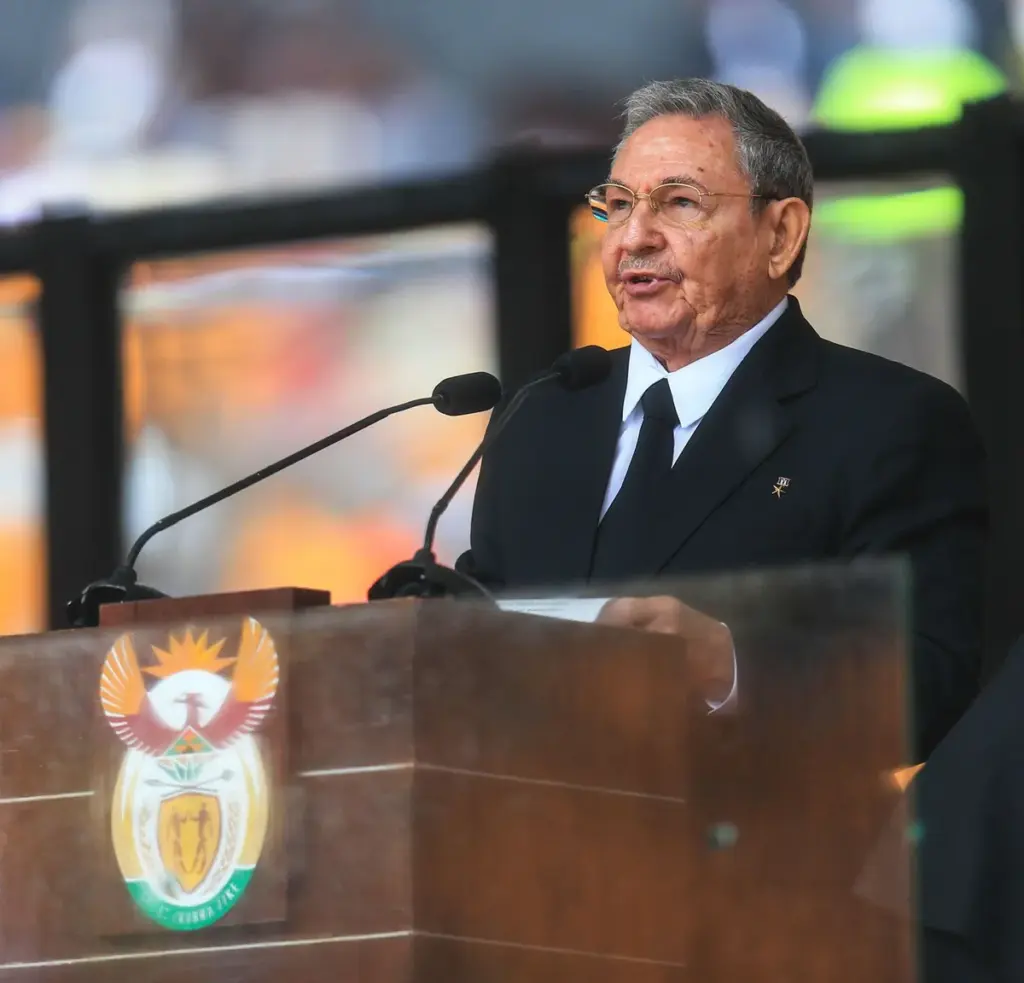
Raúl Castro, who succeeded his brother Fidel Castro as president and previously led historic talks with former US President Barack Obama that reopened embassies, is currently involved in discussions between Cuba and the United States. These talks are in the early stages, as confirmed by Cuban President Miguel Díaz-Canel.
The renewed dialogue comes amid rising tensions between the two nations, exacerbated by an oil blockade that has left Cuba without fuel shipments for three months. This situation has led to prolonged power outages, with the island experiencing two nationwide blackouts in the last week.
Díaz-Canel emphasized the necessity of building a channel for dialogue before reaching any agreements, stating, “First, we must build a channel for dialogue. Then, we must build common agendas of interests for the parties, and the parties must demonstrate their intention to move forward and truly commit to the program based on the discussion of those agendas.”
Despite Díaz-Canel serving as president since 2018, Raúl Castro remains a powerful figure in Cuba, guiding the dialogue process alongside other branches of the Communist Party and the government. Díaz-Canel noted, “Castro is one of those who, along with me and in collaboration with other branches of the Communist Party, the government, and the State, has guided how we should conduct this dialogue process, if this dialogue process takes place.”
The energy crisis in Cuba has raised alarms, with Francisco Pichón warning of a potential humanitarian crisis if the situation continues. He stated, “If the current situation continues and the country’s fuel reserves are depleted, we fear an accelerated deterioration with the possible loss of lives.”
UN officials have indicated that addressing the current energy crisis will require $94 million, highlighting the severity of the situation. The health services in Cuba are also at risk, with Tedros Adhanom Ghebreyesus expressing deep concern over the delivery of health services being in peril.
As the talks progress, Díaz-Canel mentioned that reaching an agreement would be a lengthy process, indicating that the complexities of the situation will require careful navigation. The US has also threatened tariffs on any country supplying oil to Cuba, complicating the discussions further.
Observers are closely monitoring the developments, as the outcome of these talks could significantly impact the future of US-Cuba relations and the humanitarian situation on the island.