“This decision will allow our air and naval forces to carry out all their missions, restore our partnerships, and maintain Rafale’s attractiveness for export,” stated Catherine Vautrin, highlighting the strategic importance of the Rafale fighter jet program for France’s military capabilities.
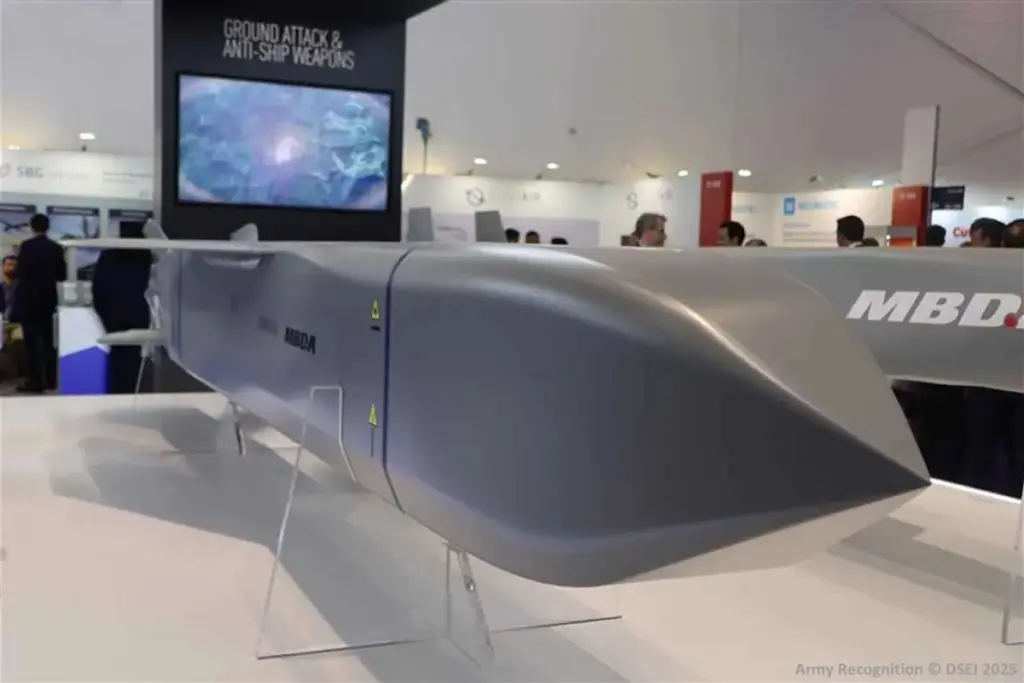
The Rafale F5, an advanced iteration of the multi-role fighter jet, is set to enter service with the French Air and Space Force by 2030. As part of its ongoing development, France is working on the STRATUS supersonic missile, which is designed to enhance the jet’s operational effectiveness. This missile focuses on high-supersonic speed, ramjet propulsion, and multi-role strike capability, including SEAD/DEAD and anti-ship warfare.
France’s defense spending plans currently do not include the procurement of additional Rafale fighters beyond the target fleet of 178 by 2030. However, there are discussions regarding a potential increase in the fleet size to 225 by 2035, which would include 30 additional Rafale fighters initially considered. The Rafale F5 upgrade promises more powerful engines, improved aircraft survivability, and new types of weapons, ensuring the jet remains competitive in modern warfare.
The Rafale deal, which involves the purchase of 36 Rafale planes for $8.7 billion, has faced scrutiny in India. The Supreme Court of India ordered the government to disclose details of the Rafale jet deal within 10 days, prompting calls for transparency. Prashant Bhushan, a prominent lawyer, stated, “There should be a court-monitored Central Bureau of Investigation probe into the Rafale deals,” emphasizing the need for accountability in the procurement process.
In the context of this legal scrutiny, Arun Shourie remarked, “Confidentiality does not relate to price, only technical specifications,” suggesting that the government should clarify the financial aspects of the deal to the public. This ongoing legal battle adds a layer of complexity to the Rafale program, which has been a focal point of political debate in India.
As the Rafale program progresses, the development of the STRATUS missile represents a significant advancement in France’s military capabilities. The missile, weighing 1,300 kg and measuring 5.10 m in length, is expected to play a crucial role in enhancing the operational effectiveness of the Rafale F5 and naval platforms.
Details remain unconfirmed regarding the exact timeline for the Rafale F5’s entry into service and the implications of the ongoing legal challenges in India. However, the French government remains committed to ensuring that the Rafale program continues to meet the needs of its air and naval forces while maintaining its attractiveness for export.