Incident Overview
On March 10, 2026, a significant incident unfolded at Nairobi’s main airport when a Chinese national, identified as Zhang Kequn, was arrested for attempting to smuggle a staggering 2,238 live garden ants. This event not only underscores the growing trend of insect smuggling in Kenya but also raises alarms about the implications for local biodiversity and wildlife protection efforts.
Details of the Arrest
Zhang Kequn was apprehended while carrying a large quantity of ants, with 1,948 of them carefully packed in specialized test tubes and an additional 300 concealed within tissue paper. This method of concealment indicates a calculated effort to evade detection by authorities. Notably, Zhang had previously evaded arrest in Kenya the prior year, linked to an ant-trafficking network, suggesting a persistent and organized effort to exploit Kenya’s rich biodiversity.
Context of Ant Trafficking
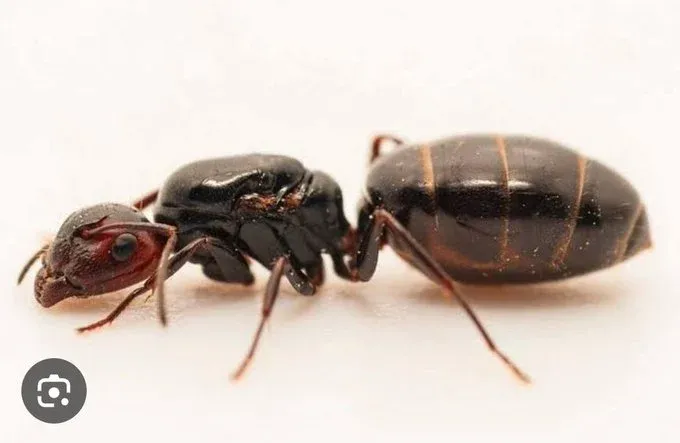
The ants in question are believed to belong to the species Messor cephalotes, commonly known as the giant African harvester ant. This species is not only popular among insect enthusiasts in Europe and Asia but is also protected under international biodiversity treaties, making their trade highly regulated. The growing demand for these insects as exotic pets has contributed to a lucrative but illicit business, prompting increased scrutiny from wildlife authorities.
Broader Implications
The Kenya Wildlife Service has been actively working to combat wildlife trafficking, which poses a significant threat to local ecosystems. The removal of large numbers of queen ants from their natural habitats can disrupt local populations, as each queen has the potential to establish a new colony containing thousands of workers. Such disruptions can have cascading effects on the environment, highlighting the importance of protecting these species.
Link to Wildlife Trafficking Networks
Zhang Kequn is suspected to be the mastermind behind a broader wildlife trafficking network that has been operating in the region. This case is not isolated; it is part of a larger trend of insect smuggling that has been gaining traction in recent years. In 2025, four men were fined a total of $7,700 for trafficking ants, illustrating the financial stakes involved in this illegal trade.
Current Status and Future Actions
As of now, Zhang remains in custody as investigations continue into his activities and connections within the trafficking ring. The Kenya Wildlife Service is likely to intensify its efforts to dismantle such networks and enforce regulations protecting endangered species. The case serves as a reminder of the ongoing challenges faced by wildlife authorities in combating illegal trade and preserving biodiversity.
The incident involving the smuggling of queen ants in Kenya highlights a troubling trend in wildlife trafficking that poses risks to both local ecosystems and international biodiversity efforts. As authorities work to address these challenges, the need for increased awareness and enforcement of wildlife protection laws becomes ever more critical.