Criticism of Pulp Fiction’s Language
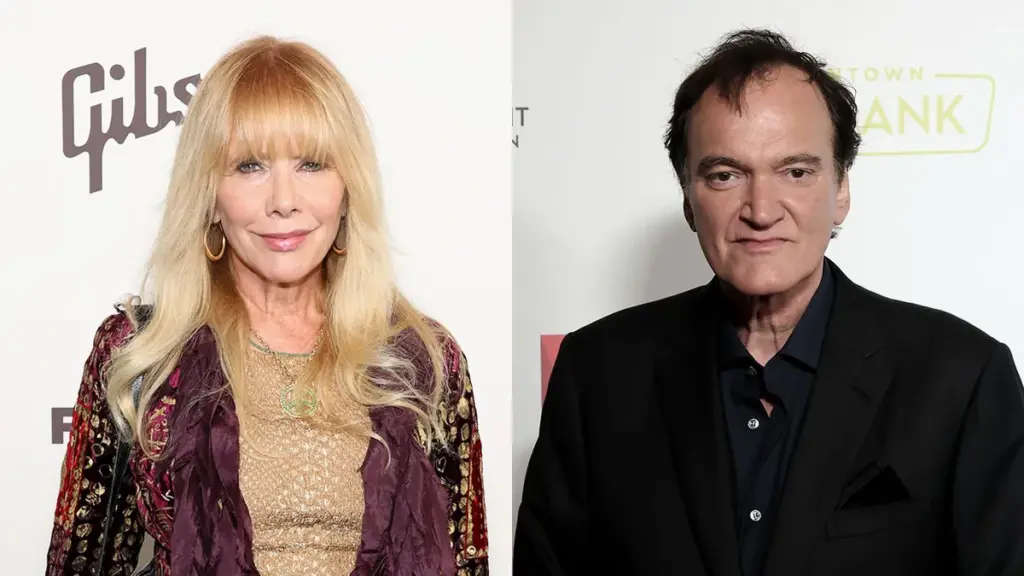
Rosanna Arquette has reignited the debate surrounding Quentin Tarantino’s film Pulp Fiction by criticizing his use of the N-word in the movie. This criticism comes as Tarantino’s film, which was released in 1994, continues to be a topic of discussion in Hollywood.
In her remarks, Arquette expressed her disdain for the language used in the film, stating, “I am over the use of the N-word — I hate it. I cannot stand that [Tarantino] has been given a hall pass. It’s not art, it’s just racist and creepy.” Her comments have been covered by 132 different media outlets, highlighting the ongoing relevance of the film’s controversial aspects.
Tarantino’s Response
In response to Arquette’s criticism, Tarantino issued a statement where he accused her of showing a “decided lack of class” for her comments. He remarked, “I hope the publicity you’re getting from 132 different media outlets writing your name and printing your picture was worth disrespecting me and a film I remember quite clearly you were thrilled to be a part of?” This exchange underscores the tensions that can arise between artists regarding their work.
Arquette, who portrayed the character Jody in Pulp Fiction, also claimed that she was the only actress not to receive a backend share of the movie’s takings. This revelation adds another layer to the discussion, as it raises questions about equity and recognition in the film industry.
The film Pulp Fiction is not only an Oscar-winning cult classic but has also faced criticism over the years from other prominent figures, including filmmaker Spike Lee. Tarantino’s use of racially charged language has been a focal point of this criticism, reflecting broader societal conversations about race and representation in media.
Additionally, it is worth noting that Harvey Weinstein, a controversial figure in Hollywood, was a producer on Pulp Fiction. Arquette was among the actresses interviewed for a 2017 expose of Weinstein, which further complicates the narrative surrounding her comments.
Looking Ahead
Tarantino’s statement was shared with USA TODAY on March 10, 2026, but the ongoing discourse surrounding Pulp Fiction and its legacy continues to evolve. As discussions about race and representation in film persist, the impact of Arquette’s comments may lead to further scrutiny of Tarantino’s work.
Details remain unconfirmed regarding any potential changes in how Tarantino’s films are received or discussed in light of this renewed criticism.