Prior Expectations on Drug Cartels
Before the recent developments at the 2026 Americas Counter Cartel Conference, the expectation among many in the United States and Latin America was that diplomatic efforts and economic support would gradually reduce the influence of drug cartels. The U.S. had invested billions of dollars in military aid to Latin American allies, aiming to bolster their capacity to combat drug trafficking. However, the reality was stark; cocaine production had reached record highs, and global drug prices were at historic lows, indicating that traditional strategies were falling short.
Decisive Moment at the Conference
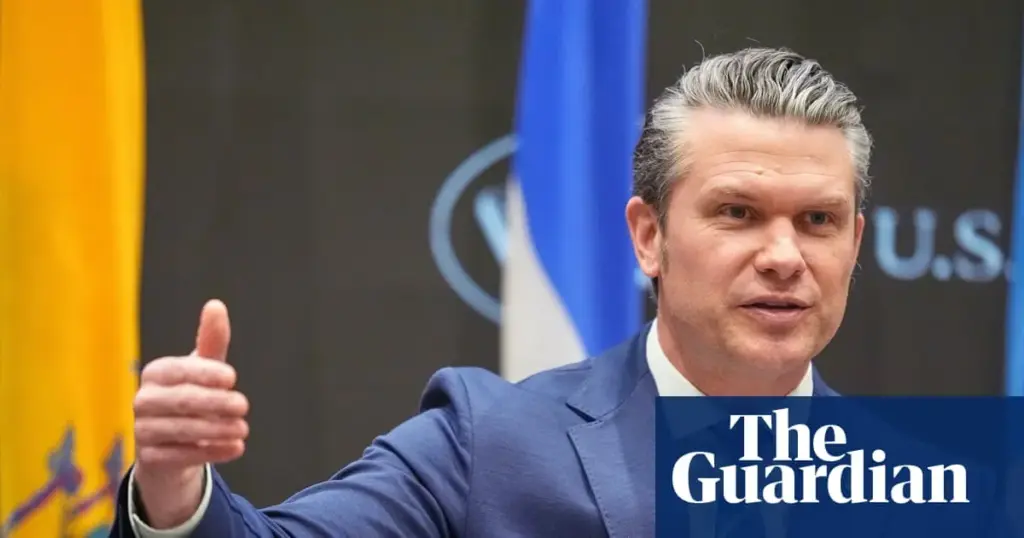
During the conference held in Miami, Florida, Pete Hegseth made a notable call for Latin American countries to adopt a more aggressive stance against drug cartels. His remarks came at a time when the crisis was escalating, with 152 people reportedly killed in U.S. strikes on small boats linked to drug trafficking. Hegseth’s statement, “America is prepared to take on these threats and go on offense alone if necessary,” underscored a shift towards a more militarized approach to the ongoing drug crisis.
Immediate Effects on Attendees
The conference was attended by representatives from 16 Latin American and Caribbean countries, yet notable absentees included Colombia, Mexico, and Brazil—countries that play significant roles in drug production and trafficking. Their absence raised questions about the effectiveness of Hegseth’s call to action and whether these nations would align with a more aggressive military strategy. The immediate effect of Hegseth’s remarks was a mix of support and skepticism among attendees, reflecting the complexities of international cooperation in combating drug cartels.
Expert Perspectives on the Shift
Experts weighed in on the implications of Hegseth’s statements. Stephen Miller, a prominent figure in the discussion, argued that drug cartels could only be defeated with military force, aligning with Hegseth’s aggressive stance. However, David Marques cautioned that “military power alone is not sufficient to deal with this challenge,” highlighting a critical perspective that emphasizes the need for comprehensive strategies beyond military intervention.
Criticism from Media Figures
In the wake of Hegseth’s remarks, media figures such as Joe Scarborough and Mika Brzezinski criticized the approach, labeling it as childish and disconnected from the realities of military engagement. Scarborough stated, “They actually tried to make the death of American troops about Donald Trump. It was just so childish,” reflecting a broader concern about the politicization of military actions and the potential consequences for American troops.
Historical Context of the Drug War
The U.S. has a long history of engaging in what was once termed the ‘war on drugs,’ a concept that has evolved over the years. While the U.S. no longer uses that framing internally, the legacy of military intervention and support for Latin American countries remains a contentious issue. The current crisis, marked by unprecedented levels of cocaine production, has reignited debates about the effectiveness of past strategies and the need for a new approach.
Looking Ahead
As the situation continues to develop, the future of U.S. involvement in Latin America regarding drug cartels remains uncertain. The absence of key nations from the conference and the mixed reactions to Hegseth’s proposals suggest that achieving a unified front against drug trafficking will be challenging. Details remain unconfirmed regarding the next steps that will be taken by the U.S. and its allies in addressing the escalating crisis.