Reaction from the field
Passover, a significant Jewish holiday, begins at sunset on April 1, 2026, and commemorates the Exodus of the ancient Israelites from slavery in Egypt. This annual observance, which lasts for seven days in Israel and eight days in the rest of the world, is marked by various traditions and rituals that emphasize family and community.
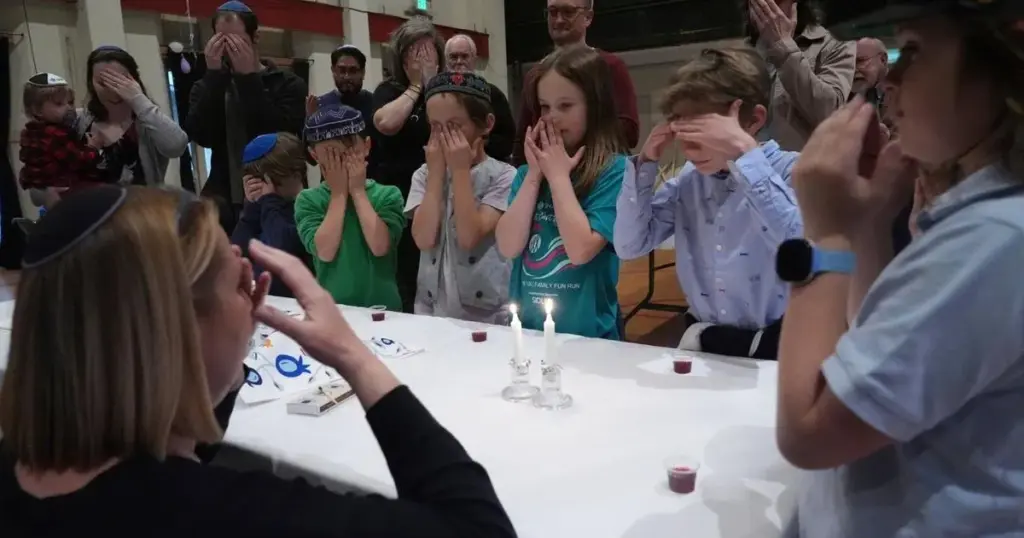
During Passover, observant Jews refrain from consuming chametz, which includes leavened grains, and instead eat matzo, a crisp, unleavened bread. The holiday’s central event is the Seder, a ceremonial meal where families gather to recount the story of the Exodus. Participants use a Haggadah, a text that outlines the Seder’s readings and rituals, to guide them through the evening’s proceedings.
Children play an active role in the Seder, often participating in the search for the afikomen, a piece of matzo hidden during the meal. This interactive element not only engages younger family members but also reinforces the importance of remembering the Exodus in each generation. Rabbi Motti Seligson notes, “Passover is the most observed Jewish holiday in America,” highlighting its significance within the Jewish community.
As Passover approaches, many Jewish community centers are preparing to host gatherings, fostering a sense of togetherness among participants. Chabad, a prominent Jewish organization, plans to host thousands of people at communal Seders across various countries, further emphasizing the holiday’s communal aspect.
However, this year’s celebrations occur amid heightened anxieties over the ongoing U.S.-Israel war against Iran and rising antisemitism. These concerns may influence how communities engage with the holiday’s traditions and the overall atmosphere of the celebrations.
Passover serves as a reminder of resilience and hope, with the tradition teaching that in every generation, individuals should see themselves as if they personally had gone out of Egypt. This perspective fosters a connection to history and encourages reflection on contemporary issues facing the Jewish community.
As the holiday approaches, details remain unconfirmed regarding specific events and gatherings, but the commitment to tradition and community remains strong. The observance of Passover continues to be a vital part of Jewish identity, providing an opportunity for reflection and connection during a time of uncertainty.