The wider picture
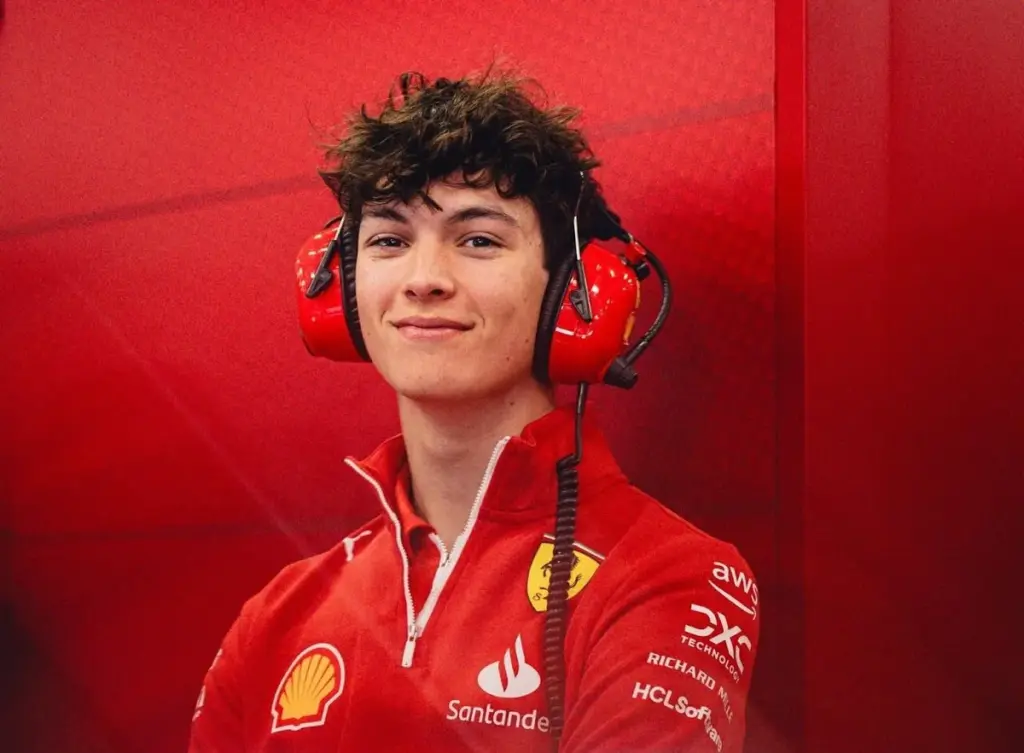
Drivers in Formula 1 have expressed ongoing concerns regarding the significant speed differences created by the sport’s new hybrid engines. These concerns have been underscored by a recent incident involving Ollie Bearman, a driver for Haas F1, during the Japanese Grand Prix held at Suzuka on March 29, 2026.
During the race, Bearman lost control of his car at the challenging ‘Spoon’ corner, resulting in a crash that registered a force of 50G. The incident occurred while Bearman was traveling at an estimated speed of 190 mph (approximately 308 km/h). Fortunately, Bearman sustained a right knee contusion but was relieved to report that there were no fractures.
The crash prompted immediate safety measures, including the deployment of a safety car to manage the race conditions. Following the incident, Bearman was transported to the FIA medical center for evaluation and treatment.
In the aftermath of the crash, fellow driver Carlos Sainz voiced his frustration with the FIA, criticizing the organization for neglecting driver warnings about safety issues related to closing speeds on the track. Sainz stated, “With the accident with Ollie, we’ve been warning them with these closing speeds that this was going to happen,” highlighting the ongoing dialogue among drivers regarding safety protocols.
Sainz further emphasized the need for the FIA to take these concerns seriously, saying, “I hope it serves as one example, if they listen to teams and drivers… the racing is clearly not OK.” His remarks reflect a broader sentiment among drivers who feel that safety measures have not kept pace with the increasing speeds of modern F1 cars.
In response to the incident, the FIA announced that meetings would be convened in April to address the safety concerns raised by drivers. A spokesperson for the FIA remarked, “Following the accident involving Oliver Bearman at the Japanese Grand Prix and the contribution of high closing speeds in the accident, the FIA would like to provide the following clarifications.” This indicates a willingness from the governing body to engage with drivers and teams on safety matters.
As the F1 community processes the implications of Bearman’s crash, it remains to be seen what specific changes, if any, will be implemented to enhance driver safety. Observers are closely watching the outcomes of the upcoming FIA meetings, which may lead to new regulations or adjustments aimed at preventing similar incidents in the future.
Details remain unconfirmed regarding the specific actions that will be taken following these discussions, but the urgency for reform in safety standards has never been more apparent.