What observers say
“Har roozetan Nowruz, Nowruzetan Pirooz,” a traditional New Year greeting, encapsulates the spirit of Nowruz, which will be celebrated on March 20, 2026, at 10:46 a.m. ET. This ancient festival, translating to “new day” in Persian, has been observed for over 3,000 years, symbolizing renewal, rebirth, and the triumph of light over darkness.
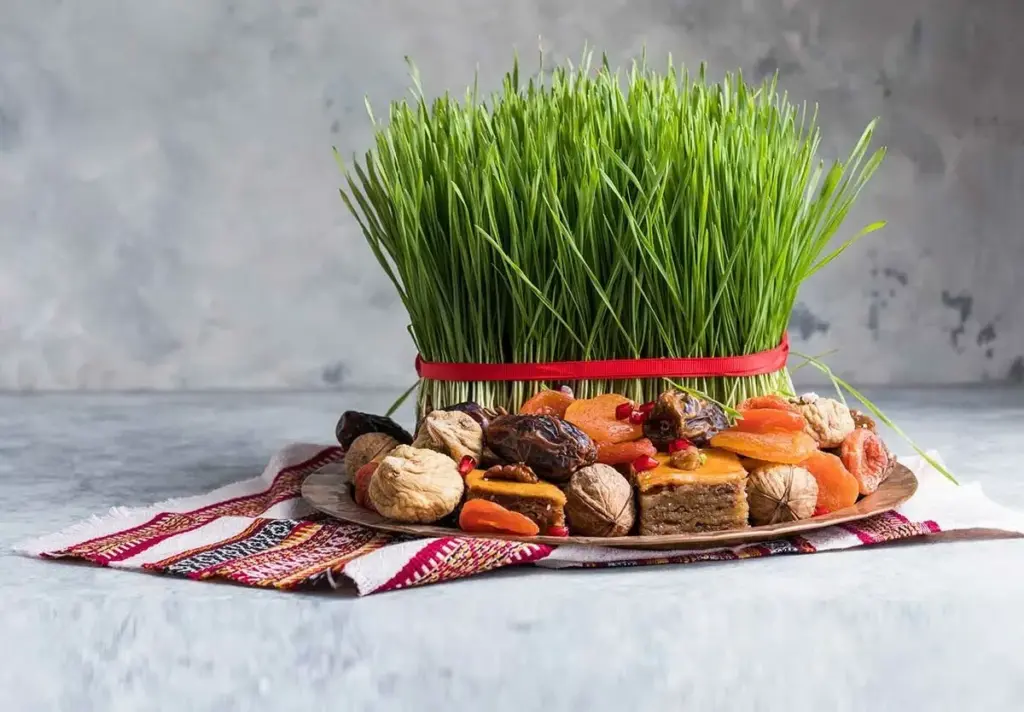
Nowruz is a significant cultural event recognized by UNESCO and celebrated by over 300 million people across various regions, particularly in Iran. The festival has its roots in ancient Iranian religions, including Mithraism and Zoroastrianism, and has evolved into a secular holiday independent of any religion. The Haft-Sin table, an essential part of the celebration, features seven symbolic items, each starting with the letter ‘S’ in Persian, representing various hopes for the new year.
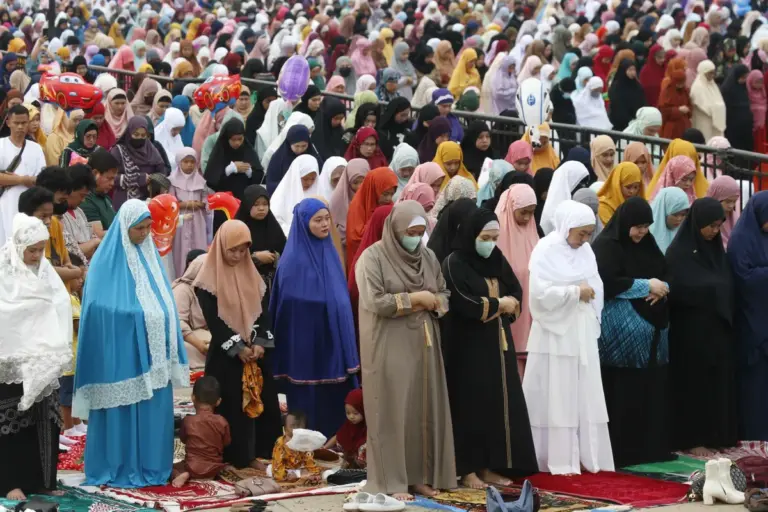
In 2026, Nowruz will coincide with the end of Ramadan and Eid al-Fitr, marking a unique convergence of celebrations. The proximity of these two major observances—only one day apart—highlights the rich tapestry of cultural and religious practices that characterize this time of year. Observers anticipate a vibrant atmosphere as families come together to celebrate both the arrival of spring and the conclusion of fasting.
Prior to Nowruz, the festival of Chaharshanbe Suri is observed on the last Tuesday of the year, where people jump over bonfires to symbolize purification and the shedding of the old year. Following Nowruz, Sizdah Be-Dar is celebrated 13 days later, during which families spend time outdoors, and the sprouted grains (sabzeh) from the Haft-Sin are thrown into a moving body of water, symbolizing the release of misfortunes.
Despite the festive spirit, uncertainties linger regarding the impact of state violence on Nowruz celebrations in 2026. The exact nature of these celebrations may be influenced by the political climate, and details remain unconfirmed. However, the resilience of cultural traditions often prevails, providing a sense of unity and hope among communities.
As the date approaches, preparations for Nowruz are expected to intensify, with families cleaning their homes, purchasing new clothes, and preparing special dishes. The anticipation of the holiday is palpable, as it serves as a reminder of the cyclical nature of life and the enduring human spirit.
In summary, Nowruz 2026 promises to be a significant event, intertwining cultural heritage with contemporary celebrations. As millions prepare to welcome the new year, the festival stands as a testament to the importance of renewal and community in the face of challenges.