The wider picture
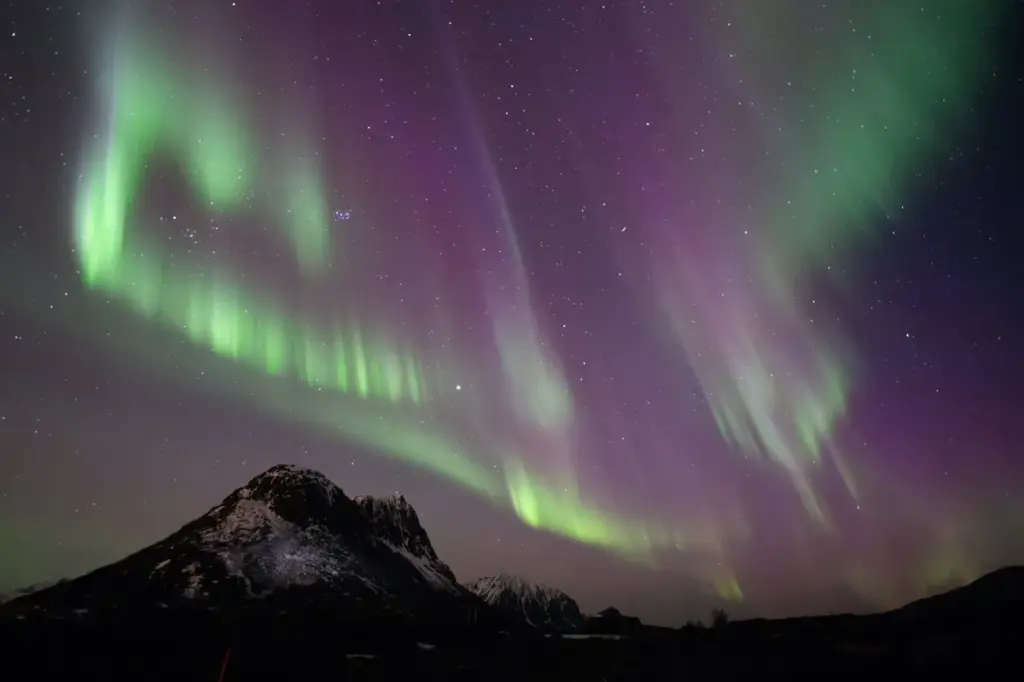
March is often an active month for northern lights displays due to geomagnetic storms. This year, the excitement is building as a G3 geomagnetic storm is forecasted to occur on March 23, 2026. The storm is expected to be triggered by recent coronal mass ejections and a fast solar wind stream emanating from a coronal hole on the sun.
As a result of this storm, auroras are anticipated to be visible from mid-latitude locations, including major cities such as New York, London, and northern France. This marks a significant opportunity for residents in these areas to witness the natural light display, which is typically more common in high-latitude regions.
Forecasters predict that Kp values, which measure geomagnetic activity, will range from 3 to 6 on March 23. This level of activity suggests that the northern lights could be visible further south than usual, providing a rare chance for many to experience the phenomenon. Additionally, there is a possibility of a coronal mass ejection arriving on March 24, which could further enhance the storming to G2 or higher levels.
Observers are advised that the best time to view the northern lights is generally between 10 p.m. and 4 a.m. local time. With the potential for G1 to G2 geomagnetic storming on the day of the forecast, many are preparing for what could be a spectacular display. Janna Levin, an astrophysicist, remarked, “The aurora reminds us of this otherwise invisible and protective shield provided by the Earth’s magnetic field.”
In the lead-up to the event, solar activity has been notably high, with the sun producing a total of nine flares in the past 24 hours, including five C-class and four B-class flares. This heightened activity is contributing to the anticipation surrounding the upcoming auroras. Hunter Fowkes, an astronomer, noted the intensity of the auroras, stating, “Before the Aurora tried to rival the brightness of the sun at 1:30 am last night, stout pillars during the opening phase of a substorm.”
Social media has been abuzz with excitement as users share their experiences and expectations. One user tweeted, “Wow 😍 the northern lights just exploded over downtown Reykjavik, Iceland,” highlighting the widespread interest in the phenomenon. The Royal Astronomical Society of Canada also chimed in, celebrating the recent auroras with the comment, “Saturday-Sunday #aurora was a banger! #timelapse.”
As the date approaches, many are hopeful for a memorable display. However, it is worth noting that solar activity is expected to drop to very low levels after March 23, 2026, which may limit future opportunities for viewing the northern lights in the coming weeks. Observers are encouraged to take advantage of this unique opportunity while it lasts.