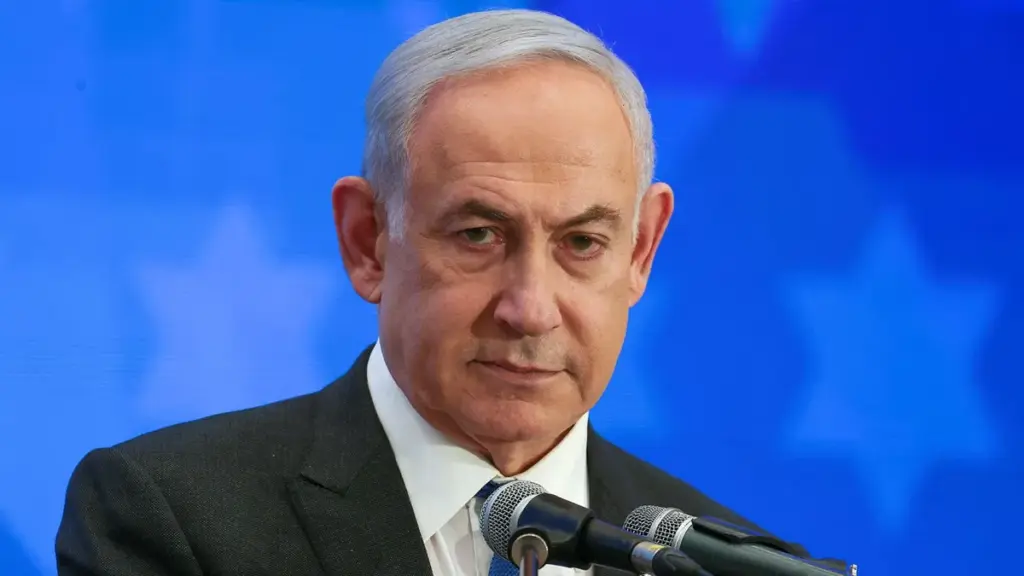
“Before the war, Bibi really sold it to the president as being easy, as regime change being a lot likelier than it was,” a US source remarked, reflecting on the complex dynamics between Israeli Prime Minister Benjamin Netanyahu and former President Donald Trump regarding the ongoing conflict with Iran.
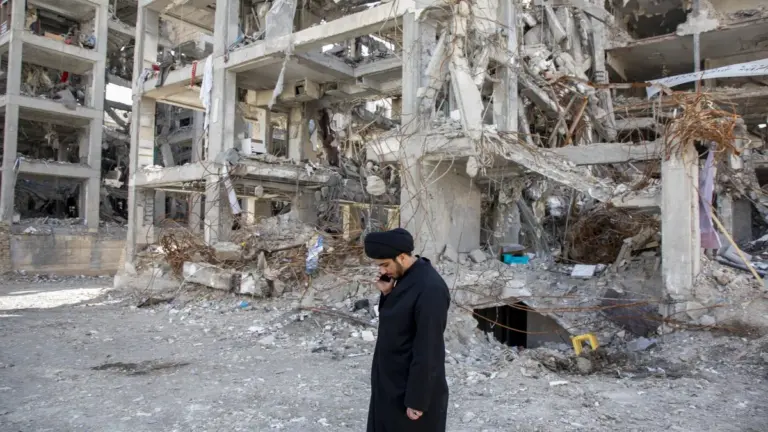
Netanyahu has been vocal in his opposition to any ceasefire with Iran, citing strategic risks that could arise from such an action. He stated, “We are continuing to crush Iran’s regime of terror,” as US-Israeli military strikes on Iran have escalated since February 28, 2026. These strikes have reportedly resulted in at least 1,340 fatalities, including the death of Iran’s Supreme Leader Ali Khamenei.
In discussions about the conflict, Trump indicated that a ceasefire could be on the table if Tehran complies with US demands, such as handing over enriched uranium. This reflects a significant divergence in their approaches to handling the situation.
Both leaders have expressed a shared goal of ending Iran’s nuclear ambitions and dismantling its ballistic missile capabilities. However, Netanyahu’s aggressive stance has been met with skepticism, as he promised a quick regime change in Iran, which has not materialized as anticipated.
The conflict is part of Israel’s ongoing military engagements in the region, particularly following the October 7, 2023 attack by Hamas. The Israeli military had initially planned for a conflict duration of three months, but the situation has evolved unpredictably.
Polling data indicates that public sentiment among Jewish voters in the US is shifting, with 60% opposed to military action against Iran and 58% believing such actions weaken the US. This growing dissent may influence future US-Israeli relations.
As the situation unfolds, uncertainties remain about the long-term consequences of the conflict on Israel’s diplomatic relations and the potential impact on US military assistance to Israel. Details remain unconfirmed.
Netanyahu’s relationship with Trump continues to be scrutinized, as both leaders navigate the complexities of international relations amid ongoing military operations. The outcome of their discussions could shape the future of US-Israeli strategy in the region.