Nepal’s March 2026 Elections: A Crucial Test for Democracy
The nationwide election for the House of Representatives in Nepal, held on March 5, 2026, is being viewed as a significant turning point for the country’s democracy. This election follows a tumultuous year marked by violent protests that resulted in the resignation of then-Prime Minister KP Sharma Oli in September 2025. The stakes were high, as nearly 19 million Nepalis were eligible to vote, including around 800,000 first-time voters, reflecting a strong desire for change among the populace.
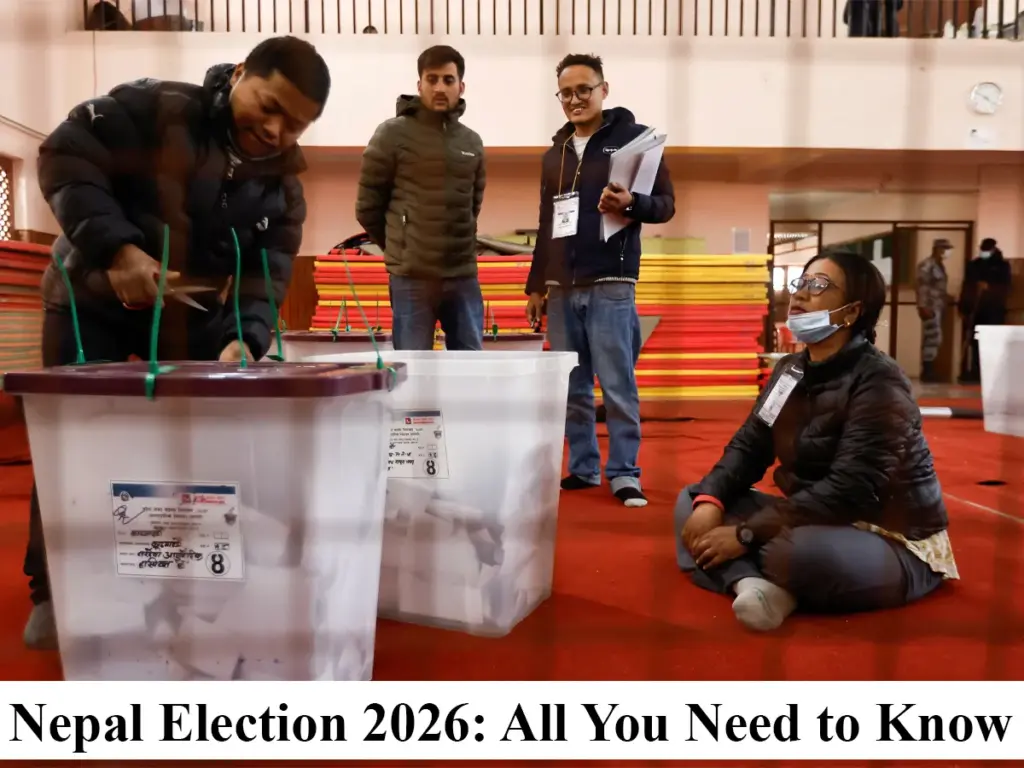
Polling stations opened from 07:00 to 17:00 GMT on election day, with a reported voter turnout of approximately 60%, the lowest in over two decades. This turnout is particularly noteworthy given the backdrop of unrest, where at least 77 people lost their lives during the protests that preceded the election. The Election Commission announced plans to declare outcomes for 165 first-past-the-post seats within 24 hours after collecting ballot boxes, while counting votes under the proportional representation system may take an additional two to three days.
Amidst the political landscape, the election featured a diverse array of candidates, including established political figures and new entrants inspired by the recent protests. Balendra Shah, a former rapper, emerged as a frontrunner, capturing the attention of younger voters eager for reform. The election is viewed as a crucial test of the resilience of Nepal’s democracy, as citizens hope for a government that addresses the pressing issues of corruption and economic stagnation.
Ram Prasad Bhandari, a local election observer, remarked, “The voting process has been concluded peacefully and enthusiastically,” highlighting the commitment of the electorate to participate in shaping their future. However, the low turnout raises questions about voter engagement and the effectiveness of the political system in addressing the needs of the people.
Shiv Shrestha, a young activist, expressed the sentiments of many voters, stating, “So many people, including gen Z, sacrificed their lives. There has to be change. Corruption must stop, and more employment opportunities should be created here in Nepal.” This sentiment underscores the urgency for a government that prioritizes the welfare of its citizens, particularly the youth who are eager for a brighter future.
As the results begin to trickle in, observers are keenly watching the implications of this election on Nepal’s political landscape. Sashi Gurung, a political analyst, noted, “This election is not a normal election. This is going to be one of the changing points for Nepalis, for Nepal.” The outcome could reshape the political dynamics, especially in light of the recent history of unrest and demands for accountability.
In the mountainous regions, logistical challenges were met with innovative solutions, as helicopters were deployed to collect ballot boxes from snowbound areas, ensuring that every eligible voter had the opportunity to participate. This effort reflects the commitment to uphold democratic processes even in challenging circumstances.
As the counting of votes continues, the nation remains on edge, awaiting the results that will determine the future direction of Nepal. Details remain unconfirmed, but the hope for change resonates strongly among the electorate, particularly in light of the sacrifices made during the protests. The coming days will be critical in revealing whether the aspirations of the Nepali people will be met with a government that reflects their demands for reform and progress.