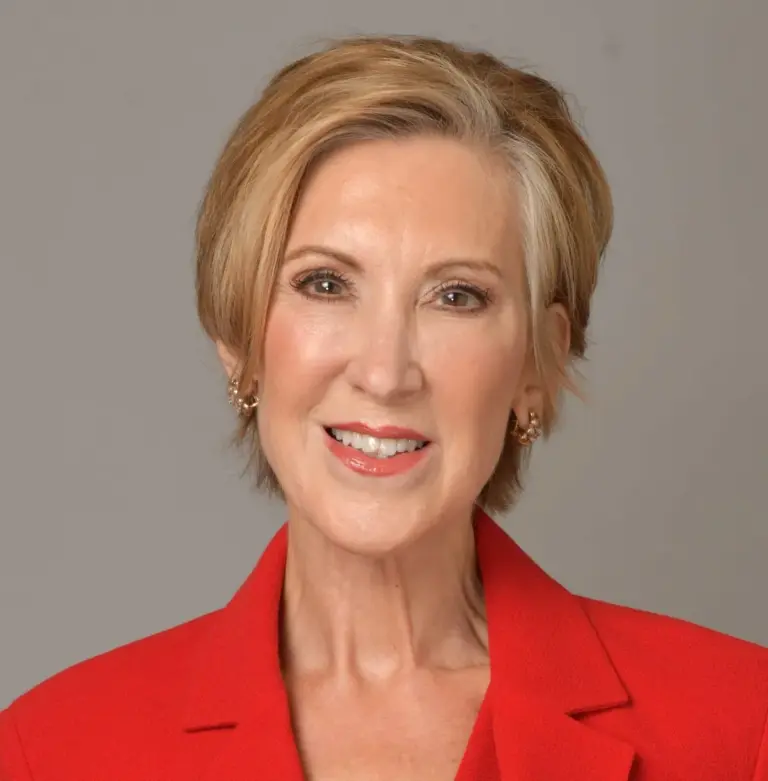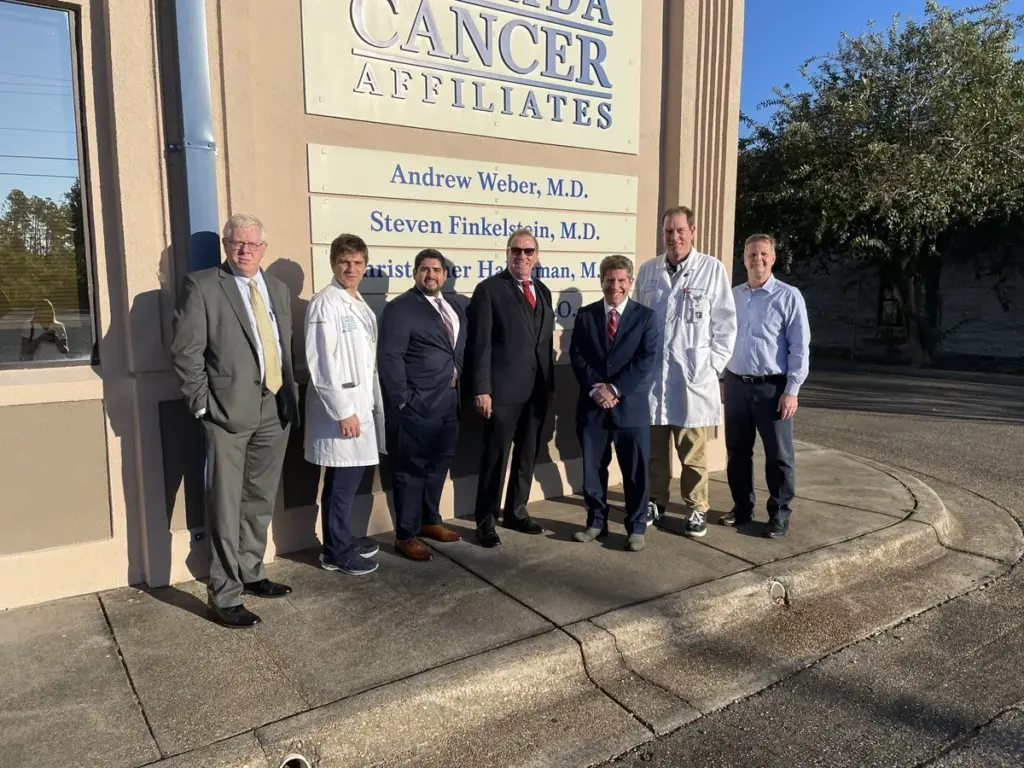
Neal Dunn, a Republican congressman from Florida, had previously announced in January 2026 that he would not seek re-election for a sixth term, raising concerns about the future control of the House by the GOP. Speculation about his health had been circulating since that announcement, but the full extent of his condition remained undisclosed until recently.
The decisive moment came when Donald Trump revealed that Dunn has a ‘terminal’ heart condition, stating that without intervention, Dunn would be ‘dead by June.’ This stark prognosis has shifted the narrative surrounding Dunn’s political career and health, as he is currently 72 years old and has undergone emergency surgery at Walter Reed.
In light of this diagnosis, Dunn has committed to serving out the rest of his term, despite the serious implications of his health. His retirement announcement is part of a broader trend, with a record number of 30 incumbent Republicans choosing to leave the House, which could significantly impact GOP dynamics in the upcoming elections.
Trump’s involvement has extended beyond mere announcements; he has reportedly engaged his doctors in Dunn’s treatment, emphasizing the urgency of the situation. Dunn’s health issues, which were not publicly disclosed prior to Trump’s comments, have now become a focal point of discussion within the party.
Mike Johnson, another prominent Republican figure, acknowledged the unexpected nature of Dunn’s health revelations, stating, “OK, that wasn’t public.” This acknowledgment highlights the sensitive nature of health discussions in the political arena.
As Dunn navigates this challenging period, he expressed a desire to focus on family, stating, “The time has come to pass the torch to new conservative leaders, return home to Panama City, and spend more precious time with my family and our beloved grandchildren.” This statement reflects a personal shift as he prioritizes his health and family over political ambitions.
Experts suggest that Dunn’s situation may serve as a wake-up call for the GOP, prompting discussions about leadership transitions and the future of the party. The implications of Dunn’s diagnosis and retirement could resonate beyond his individual circumstances, influencing the broader political landscape.
As the situation develops, the GOP will need to address the potential loss of experienced leaders like Dunn, who have played significant roles in shaping party policies. The coming months will be critical as the party navigates these changes and prepares for the upcoming elections.
Details remain unconfirmed regarding the full impact of Dunn’s diagnosis on his constituency and the party’s strategy moving forward.