What is driving the surge in visitation to national parks like Banff and Yellowstone? Recent statistics reveal that these iconic destinations are witnessing record numbers of visitors, indicating a growing interest in outdoor recreation.
Banff National Park recorded 4.28 million visits in the 2023/24 period, marking its busiest year on record. Similarly, Yellowstone National Park saw 4,744,353 visits in 2024, showcasing the increasing popularity of these natural wonders.
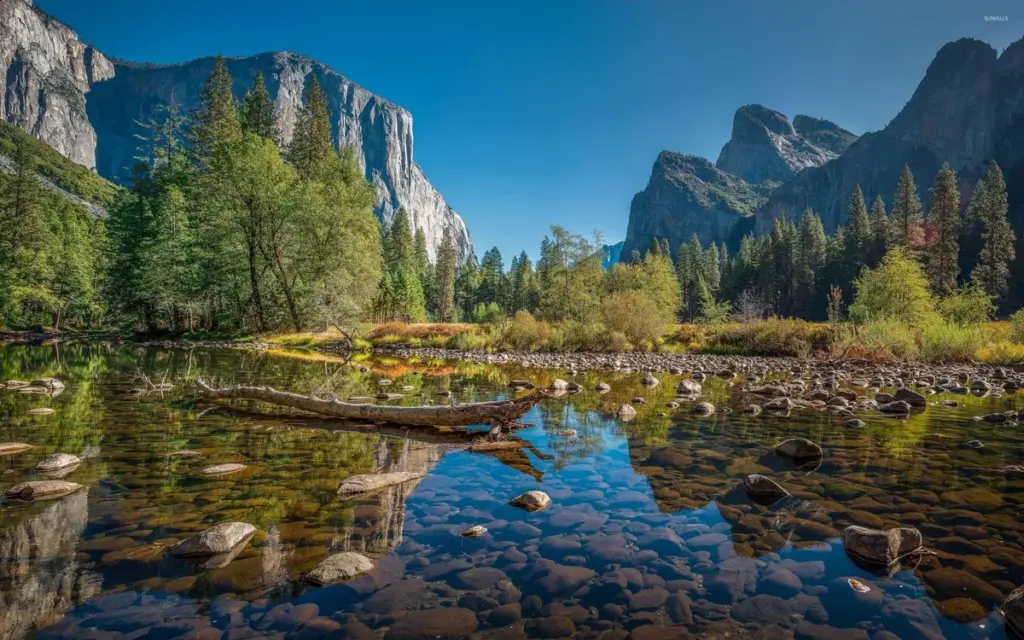
Banff, known as Canada’s first national park, is part of the Canadian Rocky Mountain Parks UNESCO World Heritage Site. Its stunning landscapes and rich biodiversity attract millions of tourists each year. Meanwhile, Yellowstone, recognized as the world’s first national park, is famous for containing about half of the world’s active geysers.
The rise in visitors can be attributed to various factors, including enhanced accessibility and the promotion of outdoor activities. Parks Canada emphasizes that using shuttles is the best way to visit popular spots like Lake Louise and Moraine Lake, which require advance reservations. Notably, Moraine Lake is closed to personal vehicles year-round to manage congestion and preserve the environment.
In addition to day visitors, national parks are also popular for overnight stays. Yellowstone National Park’s Fishing Bridge RV Park offers 310 campsites equipped with electricity, water, and sewer hookups, making it the most extensive RV camping facility in the U.S. National Park Service system. In 2025, Yellowstone hosted 37,261 overnight RV campers, while the Great Smoky Mountains welcomed 141,354 overnight RV guests.
The historical significance of these parks also plays a role in their allure. The 1883 discovery of the Cave and Basin thermal springs was pivotal in the establishment of Banff National Park, which had been used by Indigenous Peoples for thousands of years prior to this event.
As visitation numbers continue to rise, the management of these parks faces new challenges. Authorities are tasked with balancing visitor access with conservation efforts to protect the natural environment.
Details remain unconfirmed regarding future plans to accommodate the growing number of visitors and ensure sustainable practices in these beloved national parks.