As preparations intensified at Kennedy Space Center in Florida, NASA’s Artemis II mission was set to lift off on April 1, 2026. This mission is a pivotal part of NASA’s Artemis program, which aims to establish a sustainable human presence on the Moon and eventually pave the way for crewed missions to Mars.
On the day of the launch, the spacecraft successfully lifted off, marking the beginning of a 10-day journey around the Moon. The mission is notable as it represents the first crewed lunar flyby in more than 50 years since the Apollo 17 mission in 1972.
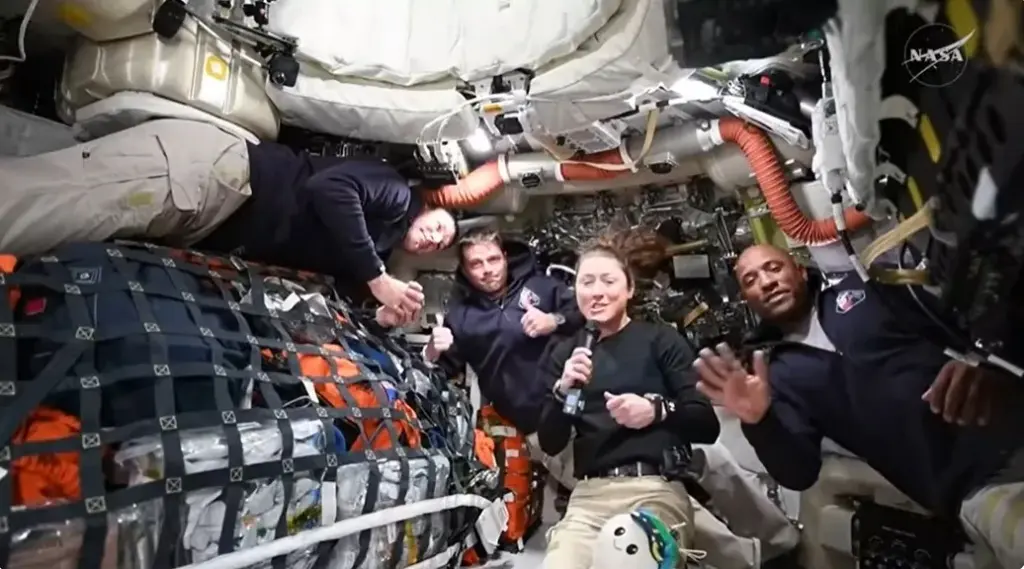
The crew for Artemis II consists of four astronauts: Reid Wiseman, Victor Glover, Christina Koch, and Jeremy Hansen. Their journey will take them 230,000 miles from Earth, the farthest any human has ever traveled into space.
Just three days into the mission, on April 5, 2026, the spacecraft is expected to reach the lunar sphere of influence. This critical phase will allow the crew to begin their approach towards the Moon.
On April 6, the astronauts are scheduled to fly around the far side of the Moon, an event that has generated significant excitement among space enthusiasts and scientists alike. “The Artemis II astronauts just shared the most stunning views of Earth yet just three days into their historic mission around the moon,” a spokesperson noted.
Throughout the mission, the crew will test various systems and hardware that are essential for future lunar expeditions. This is crucial for ensuring the safety and success of upcoming missions aimed at establishing a lunar base.
As the mission progresses, the world watches closely, understanding the implications of this historic journey. If all goes according to schedule, Artemis II is due to reach the Moon and make a historic lunar flyby on April 6, 2026.
The Artemis II mission is not just a step forward for NASA but a significant milestone for humanity’s exploration of space. It underscores the agency’s commitment to returning humans to the Moon and eventually reaching Mars.
Details remain unconfirmed as the mission unfolds, but the excitement surrounding this event is palpable, marking a new era in space exploration.