What Happened
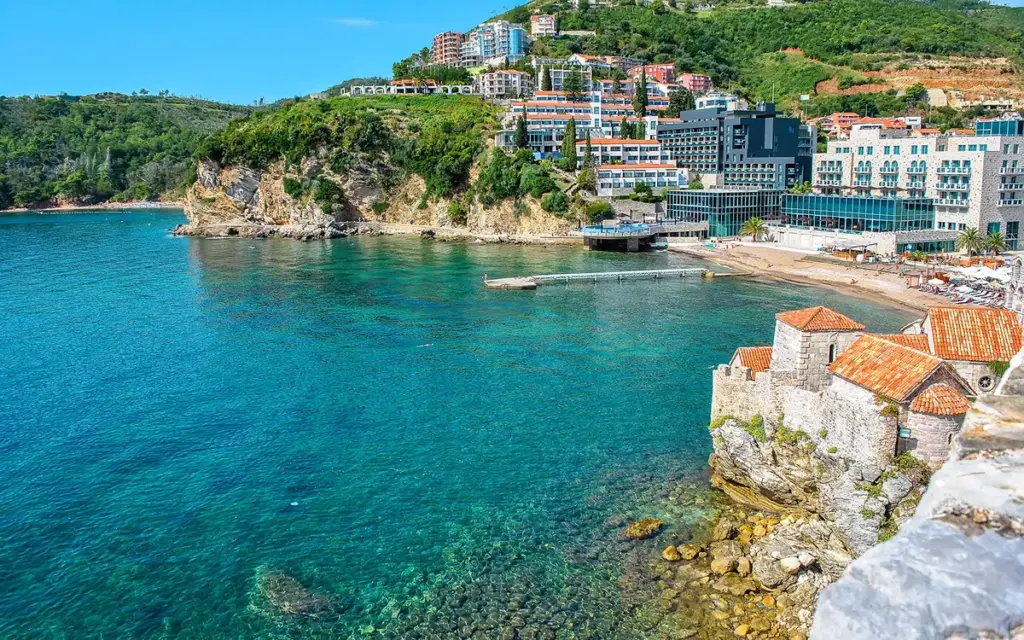
Montenegro is actively pursuing its goal of becoming the next member of the European Union (EU), with senior EU officials expressing a desire to complete accession talks by the end of this year. The European commissioner for enlargement, Marta Kos, indicated that if technical negotiations conclude in 2026, Montenegro could potentially join the EU by 2028. This small nation, with a population of approximately 630,000, is leveraging its diversity and economic potential to position itself favorably within the EU framework.
Why It Matters
Montenegro’s accession to the EU would mark the first expansion of the bloc since 2013, highlighting the EU’s commitment to integrating diverse nations. Prime Minister Milojko Spajic has articulated a vision of Montenegro as a contributor to the EU’s richness, emphasizing its harmonious ethnic relations among Montenegrins, Serbs, Bosniaks, and other groups. This diversity is seen as an asset, countering concerns from existing member states about the economic implications of expansion.
What’s Next
As Montenegro continues its EU accession process, it is also gaining international recognition through cultural initiatives. The film “The Tower of Strength,” a coproduction involving Montenegro, Serbia, Germany, and Croatia, has garnered significant attention, recording over 10,000 admissions in its first ten days in cinemas. The film is set to participate in various international film festivals, further enhancing Montenegro’s cultural profile. Additionally, the presidents of Montenegro and North Macedonia are scheduled to attend the 13th Global Baku Forum in Azerbaijan in March, indicating ongoing diplomatic engagement.