The wider picture
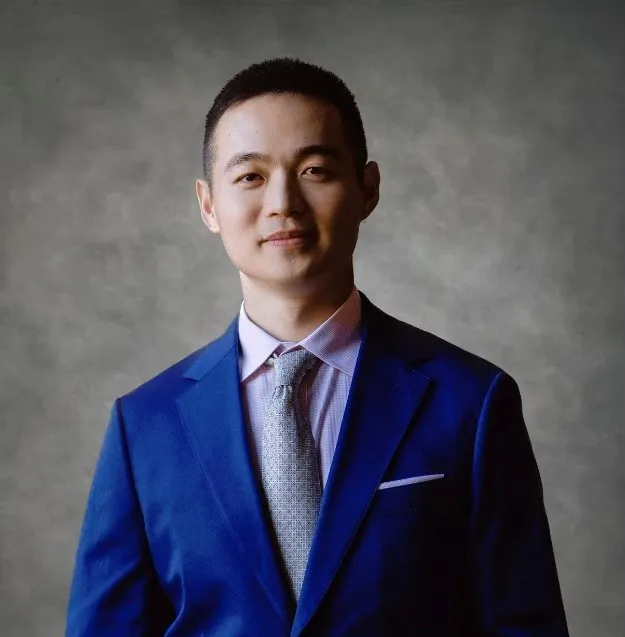
Michael Ma, a Liberal Member of Parliament (MP) in Canada, has recently faced significant backlash for his remarks regarding forced labour in China. This controversy arose during a parliamentary committee session that was primarily focused on the federal government’s electric vehicle policies. Ma, who previously belonged to the Conservative Party before crossing the floor to join the Liberals in December 2025, questioned expert Margaret McCuaig-Johnston about her personal experiences with forced labour in Shenzhen.
During the session, Ma asked, “Have you witnessed forced labour in Shenzhen? Yes or no?” This line of questioning was met with confusion, as it was unclear whether he was referring to the situation in Shenzhen or the more widely reported allegations of forced labour in Xinjiang, where the United Nations has expressed concern over the treatment of Uyghurs. McCuaig-Johnston, who collaborates closely with Human Rights Watch, criticized Ma’s question, stating, “It was a stupid question on his part, frankly.”
In light of the criticism, Ma later issued an apology, clarifying that he did not intend to downplay the serious issue of forced labour. He stated, “I regret this mistake and apologize to Ms. McCuaig-Johnston and my fellow committee members.” His office defended his approach, suggesting that he was employing a common tactic of asking short yes or no questions to elicit clear responses.
The incident has reignited discussions surrounding Canada’s stance on human rights issues in China. In 2021, Canada’s Parliament officially declared China’s treatment of Uyghurs in Xinjiang as genocide, a designation that has significant implications for diplomatic relations and trade. Observers note that Ma’s remarks could complicate the Liberal Party’s position on human rights, especially given the ongoing scrutiny of China’s policies.
Despite the backlash, Ma did not confirm whether he personally believes there is forced labour occurring in China. His questioning has raised concerns about the potential for miscommunication regarding serious human rights violations. The controversy highlights the delicate balance politicians must maintain when addressing sensitive international issues.
As the situation develops, it remains to be seen how this incident will impact Ma’s political career and the Liberal Party’s approach to human rights advocacy. The reactions from both the public and political analysts suggest that there may be further repercussions for Ma and his party as they navigate this complex landscape.
Details remain unconfirmed regarding the potential long-term effects of this controversy on Canada’s foreign policy towards China. However, it is clear that the dialogue surrounding forced labour and human rights will continue to be a critical issue in Canadian politics.