What the data shows
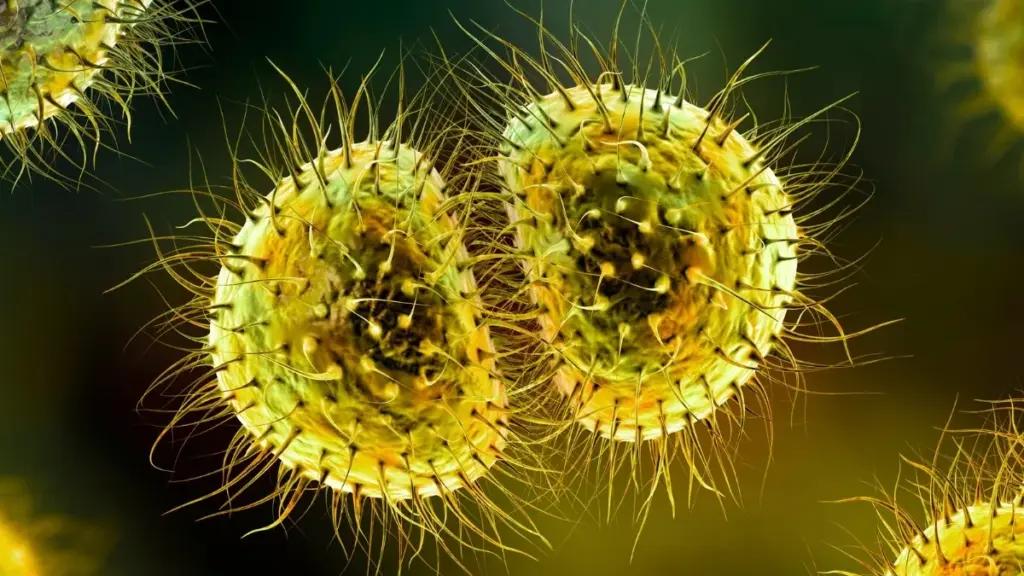
The recent meningococcal meningitis outbreak at the University of Kent raises critical questions about the vaccination status of students and the effectiveness of current health policies. As of March 19, 2026, two young people have died, and 20 others are undergoing treatment for the disease. This outbreak highlights the urgent need for vaccination and awareness among university students, particularly those who may have missed previous immunization opportunities.
The strain responsible for the outbreak is meningococcal group B, which has been a significant concern in the UK. The vaccine Bexsero, which protects against this strain, has been available since 2013 and was added to the national immunization schedule in September 2015, but only for infants. Consequently, every student currently enrolled at the university was born before July 2015 and therefore missed the cut-off for receiving this vaccine through the NHS.
Health authorities have noted a dramatic increase in the proportion of students carrying meningococcal bacteria. A study indicated that this figure jumped from less than 7% to over 23% within just four days of students starting their university courses. This rapid increase underscores the heightened risk associated with university life, which has been linked to meningococcal disease for decades. In fact, first-year undergraduate students in the US face a risk of meningococcal B disease nearly 12 times higher than their non-student peers.
The situation is dire, as the fatality rate for meningococcal infections that enter the bloodstream can be as high as 70-80%. In response to the outbreak, a targeted vaccination campaign has been launched for students living in halls of residence. More than 30,000 individuals in the Canterbury area have been contacted by health authorities as part of this effort to mitigate the outbreak.
Following the outbreak, there has been a significant surge in demand for private meningitis B vaccinations, with bookings increasing to 65 times their normal level. However, public health experts have raised concerns about the implications of relying on private vaccination options, as this creates a situation where access depends on an individual’s ability to pay. A spokesperson for the University of Kent emphasized that “vaccination is currently the best form of protection” against the disease.
Notably, the first cohort of babies vaccinated with Bexsero in 2015 will not reach university age until 2033, raising concerns about the long-term effectiveness of vaccination strategies. Philip Broadbent, a public health expert, noted that “the economic case for keeping the programme infant-only has grown shakier since 2015,” suggesting that a reevaluation of vaccination policies may be necessary.
In light of the outbreak, Health Secretary Wes Streeting has announced plans to ask the Joint Committee on Vaccination and Immunisation (JCVI) to re-examine eligibility for meningitis vaccines. As the situation develops, health authorities continue to monitor the outbreak closely, but details remain unconfirmed regarding the full extent of the outbreak and its implications for future vaccination policies.