Prior Expectations
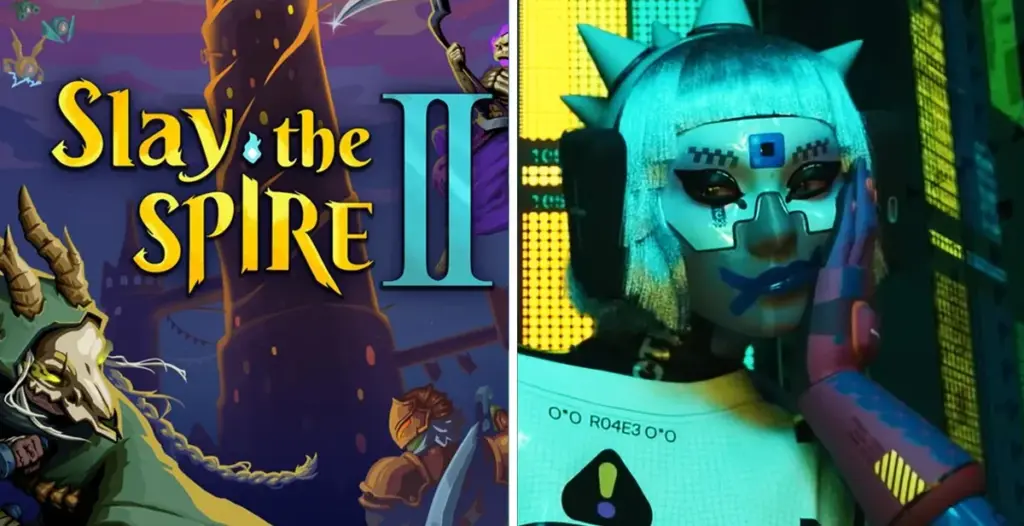
Before the launch of Slay the Spire 2 on March 5, 2026, expectations for Marathon were relatively high. Developed by Bungie, Marathon had garnered a Very Positive rating on Steam, with 89% of 1,740 reviews praising the game. At the time, Marathon had reached a peak of 88,337 players, indicating a solid player base. However, the gaming community was also aware of the competitive landscape, particularly with the impending release of Slay the Spire 2, a sequel to the beloved indie deck-building game.
The Decisive Moment
Upon its release, Slay the Spire 2 quickly made headlines by hitting an impressive peak of 310,024 players on Steam. On launch day alone, it recorded 174,636 active players, nearly doubling its player base within a day. This decisive moment not only showcased the game’s popularity but also highlighted a stark contrast in player engagement compared to Marathon, which saw its active players drop significantly to 32,042 as of March 6.
Direct Effects on the Parties Involved
The immediate effects of this shift have been significant for both games. While Slay the Spire 2 has thrived, with nearly double the player base and a 94% positive rating from 1,402 reviews, Marathon has struggled to maintain its momentum. The price point may also play a role; Slay the Spire 2 is priced at $24, while Marathon retails for $39. This pricing difference could influence player decisions, especially in a competitive market where value perception is crucial.
Expert Perspectives
Industry experts have noted that the launch of Slay the Spire 2 has overshadowed Marathon, despite the latter’s positive reception. Mega Crit, the developers of Slay the Spire, congratulated the Marathon team on their launch, suggesting that the indie game’s success should not diminish the achievements of larger projects. This sentiment reflects a broader understanding within the gaming community that player engagement can be unpredictable and heavily influenced by market timing and game quality.
Current Landscape and Future Implications
The current landscape of Steam charts indicates a clear preference for Slay the Spire 2, as it continues to attract a larger audience. Marathon’s drop in active players raises questions about its long-term viability in a market that is increasingly competitive. As players gravitate towards games that offer both quality and value, Marathon may need to reassess its strategy to regain player interest.
The contrasting performance of Slay the Spire 2 and Marathon on Steam charts illustrates the dynamic nature of the gaming industry. While Marathon has established a solid foundation, the overwhelming success of Slay the Spire 2 serves as a reminder of the importance of timing, pricing, and player engagement in determining a game’s success. As the gaming community continues to evolve, both developers and players will be watching closely to see how these trends develop in the coming months.