Significant Consequences of Mahmoud Khalil’s Detention
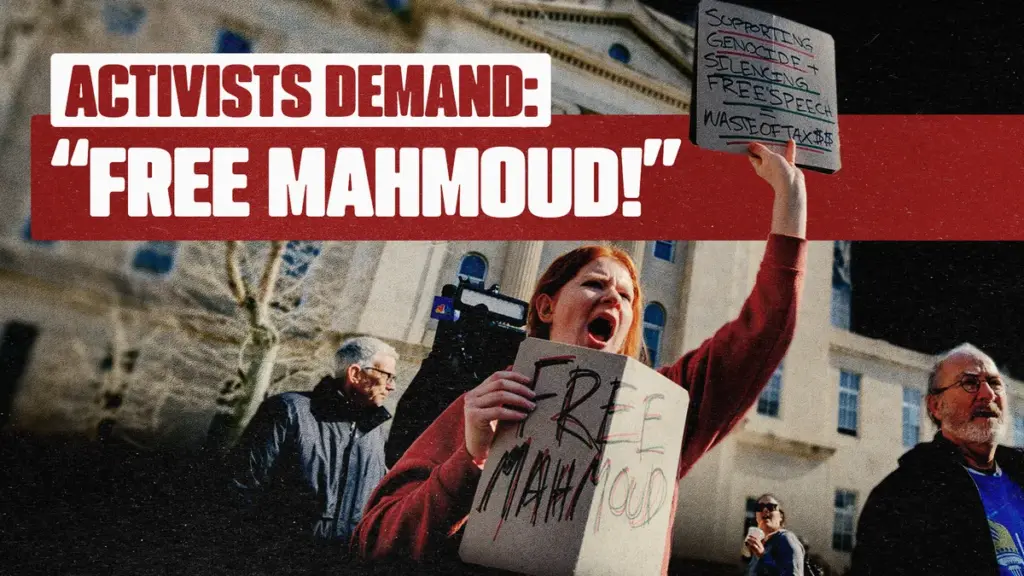
Mahmoud Khalil’s detention by U.S. Immigration and Customs Enforcement (ICE) has had profound implications for the rights of immigrants, particularly regarding their First Amendment rights. Detained on March 8, 2025, Khalil spent over 100 days in immigration custody, missing the birth of his first child during this period. His case has become a focal point in discussions about the treatment of noncitizens who voice dissent against U.S. policies, especially in relation to the ongoing conflict in Gaza.
Causes and Context of Khalil’s Detention
Khalil’s detention is seen as part of a broader initiative that began under the Trump administration, targeting individuals who publicly criticize U.S. support for Israel. Khalil himself stated, “I was absolutely targeted for what I represent, which is a student movement that erupted against the U.S. support for Israel.” This context highlights the intersection of immigration enforcement and political expression, raising questions about the motivations behind such actions.
Legal Developments and Support
After spending more than three months in custody, Khalil was released on June 20, 2025, following a federal district judge’s decision to grant him bail. The judge ruled that Khalil’s detention was likely unconstitutional, a significant finding that could set a precedent for the rights of immigrants in similar situations. Khalil’s legal team, which consists of more than 20 lawyers, is working diligently to challenge the legality of his detention and advocate for broader protections for immigrant rights.
Impact on Academic Freedom
Khalil’s situation has also raised alarms about academic freedom. He criticized institutions that prioritize their reputations over the rights of individuals, stating, “They chose to ruin their brand, their institution, their academic freedom just to protect the interest of the Board of Trustees.” This sentiment resonates with many who believe that academic environments should foster open dialogue and dissent rather than suppress it.
Community Support and Recognition
In a show of solidarity, New York City Mayor Zohran Mamdani invited Khalil to break the Ramadan fast at Gracie Mansion, emphasizing that “Mahmoud is a New Yorker, and he belongs in New York City.” This gesture highlights the community’s support for Khalil and underscores the importance of standing up for the rights of individuals facing unjust treatment.
Broader Implications and Future Developments
Khalil’s case is emblematic of a larger trend concerning the treatment of immigrants who engage in political activism. As the legal battle continues, it is expected to draw attention to the need for reforms in immigration policy and the protection of civil liberties. The outcome of Khalil’s case may influence future legal interpretations regarding the First Amendment rights of immigrants, setting a critical precedent.
Uncertainties Ahead
As developments unfold, details remain unconfirmed regarding the long-term implications of Khalil’s case and the potential for policy changes in response to the growing concerns about immigrant rights and free speech. The legal landscape surrounding these issues continues to evolve, and stakeholders are closely monitoring the situation for further updates.