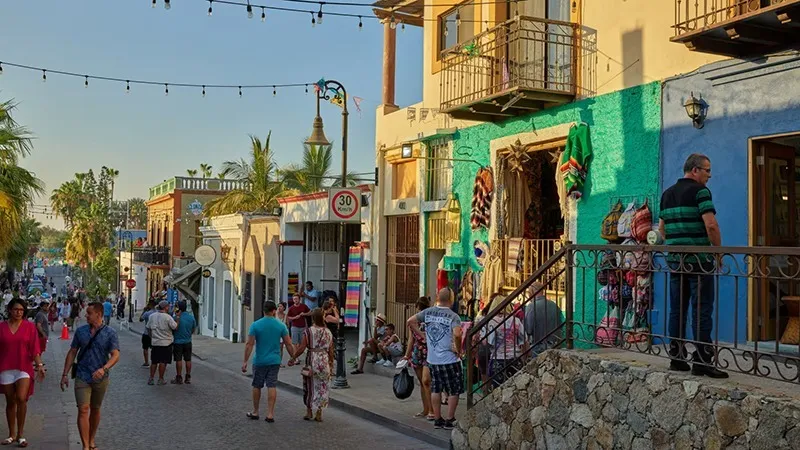
Los Cabos is experiencing a remarkable shift in its tourism landscape, with Canadian visitors now outspending American tourists by a factor of two to one. This trend is significantly impacting the local economy and the overall tourism strategy for the region.
The surge in Canadian tourism can be attributed to several factors, including a 20% growth in the Canadian market for Los Cabos. Canadians are not only spending more during their visits, averaging USD $4,600, but they are also staying longer, with an average stay of 11 days compared to just 5.6 days for American tourists.
Rodrigo Esponda, a key figure in the tourism sector, emphasized the economic importance of this trend, stating, “Every Canadian is worth two Americans.” This highlights the substantial financial impact that Canadian travelers have on the local economy.
Moreover, the accessibility of Los Cabos from Canada is improving, with available flights to Mexico from Canada increasing by 9% for the first half of 2026. Notably, flights from Toronto to Mexico have surged by 18.6%, further facilitating travel to this popular destination.
Los Cabos, known for its stunning beaches and luxury resorts, is also transitioning into an ultra-luxury destination in 2026. This shift is likely to attract even more affluent travelers seeking high-end experiences.
In addition to the economic benefits, the region boasts a favorable climate, receiving only 10 days of rain per year, making it an attractive destination year-round.
Suzanne Acton-Gervais noted that travelers are increasingly looking beyond traditional resort destinations, seeking a broader range of experiences throughout Mexico. This trend may further diversify the types of tourism Los Cabos can expect in the coming years.
As Los Cabos continues to evolve, the implications for local businesses and the tourism industry are significant. However, details remain unconfirmed regarding how this growth will affect infrastructure and service capacity in the area.
With the ongoing developments, stakeholders in Los Cabos are closely monitoring these trends to adapt their strategies accordingly, ensuring the region remains a premier destination for both Canadian and American tourists.