The numbers
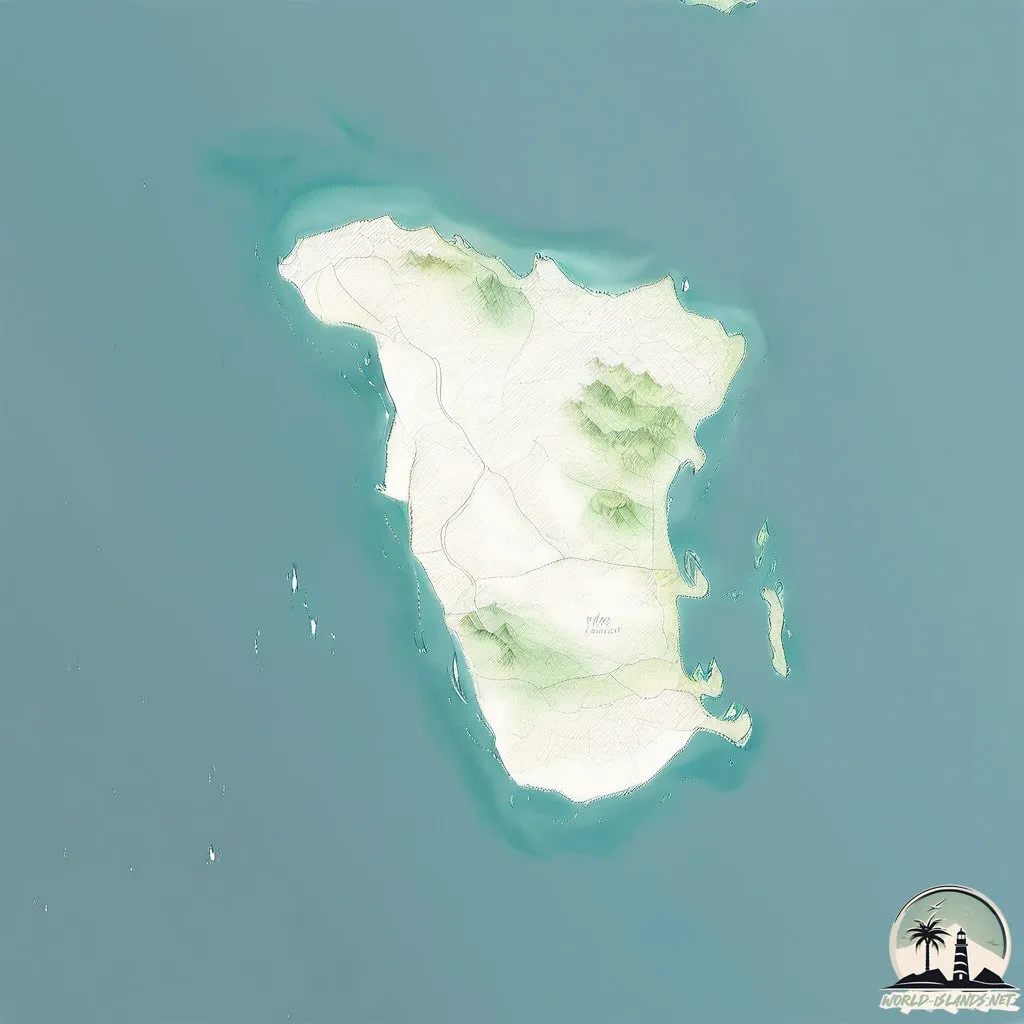
Kharg Island, located in the Persian Gulf, serves as a crucial oil terminal for Iran, handling a significant portion of the country’s oil exports. The U.S. military has recently launched airstrikes against military positions on the island, targeting over 90 sites, including air defenses and a naval base. This escalation underscores the strategic importance of Kharg Island, which is home to approximately 8,000 residents, many of whom are employed in the oil industry.
Since its development into an oil facility in the 1950s, Kharg Island has become a lifeline for Iran’s economy, with a tank farm capacity of 17 million barrels. The island’s proximity to the Iranian mainland, less than 20 miles away, renders it vulnerable to military actions. Former U.S. President Donald Trump has remarked on the island’s defenselessness, stating, “I call it ‘the little oil island’ that sits there, so totally unprotected.” This vulnerability has raised concerns about the potential for prolonged U.S. military involvement in the region.
Observers note that Kharg Island plays a pivotal role in Iran’s oil export strategy, with Iran allowing around 20 oil tankers to pass through the Strait of Hormuz. The recent military actions have prompted discussions about the implications for U.S.-Iran relations. As Scott Bessent, a financial strategist, noted, “What could happen with Kharg Island? We’ll see.” The uncertainty surrounding the U.S. plans for securing or blockading the island adds to the tension.
The historical significance of Kharg Island is also noteworthy; during the Iran-Iraq war in the 1980s, it was a major site for oil exports, highlighting its longstanding importance in regional geopolitics. The current situation raises questions about the future of this vital asset and its impact on the broader conflict in the region.
As military actions continue, the human cost is becoming apparent. Reports indicate that approximately 1,550 civilians have been killed in Iran during the ongoing conflict, alongside 1,240 people in Lebanon and 400 Hezbollah fighters since March 2. Additionally, 13 U.S. service members have lost their lives, further complicating the situation.
Iranian officials have responded to the U.S. actions with strong rhetoric. Mohammad Bagher Ghalibaf, a prominent Iranian politician, warned, “Do not test our resolve to defend our land.” This statement reflects the heightened tensions and the potential for further escalation in military confrontations.
While Kharg Island remains a focal point of international attention, details remain unconfirmed regarding the U.S. strategy moving forward. The exact implications of taking control of Kharg Island for U.S.-Iran relations also remain uncertain, as both sides navigate the complexities of military engagement and economic dependency on oil exports.
As the situation develops, the international community watches closely, with many awaiting clarity on the future of Kharg Island and its role in the ongoing conflict. The strategic significance of this small island in the Persian Gulf continues to resonate, impacting not only Iran’s economy but also the geopolitical landscape of the region.