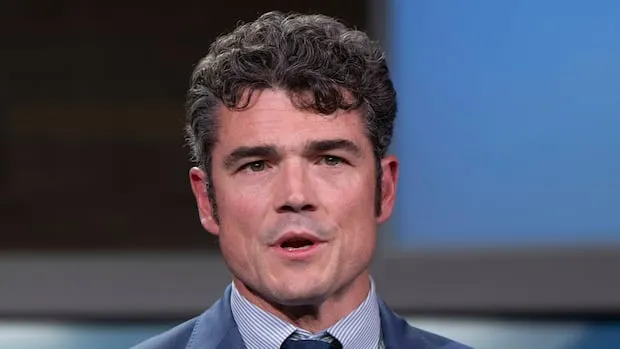
In a significant development, Joe Kent has resigned as the director of the U.S. National Counterterrorism Center on March 17, 2026. Kent’s resignation comes amid rising tensions and casualties related to the ongoing war in Iran, a conflict he publicly opposed.
Kent, who was confirmed to his position in July 2025 by a narrow 52-44 vote, stated in his resignation letter that he could not support the Trump administration’s military actions in Iran. He emphasized, “I cannot in good conscience support the ongoing war in Iran,” reflecting a growing dissent within the ranks of the administration.
His resignation is particularly notable as he is the first senior member of Trump’s administration to step down over the war against Iran. Kent, a veteran with 11 deployments as a Green Beret and a former CIA operative, has a personal connection to the conflict; his wife was killed by an ISIS suicide bomber in Syria in 2019. This background adds weight to his criticisms of the war, which he argues was initiated due to pressure from Israel.
Since the onset of hostilities, at least 13 U.S. soldiers have been killed, alongside significant civilian casualties in Iran, where reports indicate that 1,444 people have died. The conflict has also resulted in 20 deaths across the Gulf region and 15 in Israel, raising concerns about the broader implications of U.S. military engagement in the Middle East.
Key moments
Kent’s resignation letter, which he shared on the social media platform X, outlined his belief that “Iran posed no imminent threat to our nation, and it is clear that we started this war due to pressure from Israel and its powerful American lobby.” His departure signals a potential shift in the narrative surrounding the war, particularly among Trump’s base, which has shown increasing unease regarding U.S. military actions.
In addition to his military and intelligence background, Kent’s political career has been marked by controversy, including connections to right-wing extremists during his congressional campaign. This aspect of his history has drawn scrutiny, yet his resignation has been framed by many as a principled stand against a conflict he deems unjust.
As reactions to Kent’s resignation unfold, it remains to be seen how this will impact the administration’s approach to the war in Iran. His departure is the most high-profile resignation since the U.S. and Israel launched attacks on Iran on February 28, indicating a potential fracture within the administration regarding its military strategy.
In his final remarks, Kent concluded with a poignant statement: “May God bless America,” underscoring his commitment to the nation even as he steps away from his role in the counterterrorism center. Details remain unconfirmed regarding any immediate successors or changes in policy that may follow his resignation.