How it unfolded
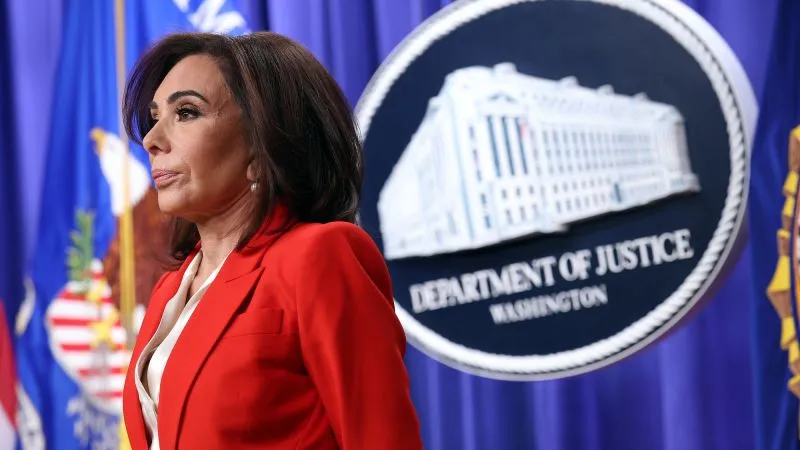
As of early April 2026, the US attorney’s office in Washington, DC, led by Jeanine Pirro, has been navigating a challenging landscape in criminal prosecutions. The office has secured only half of its first eight criminal trials this year, a stark contrast to the national average conviction rate of about 90%. This situation has raised concerns regarding the effectiveness and credibility of the office under Pirro’s leadership.
In the current year, Jeanine Pirro’s office has managed to secure 84 guilty federal defendants, but this success is overshadowed by just two acquittals. The trials have been marked by significant issues, including two of the four criminal jury trials that ended without convictions being declared mistrials. This has led to questions about the jury pool’s trust in the Justice Department, which has reportedly eroded in recent times.
One notable case involved Sean Dunn, who faced charges for throwing a sandwich at a federal immigration officer. A grand jury ultimately refused to indict him, highlighting the difficulties faced by Pirro’s office in securing indictments. Additionally, in February, the office could not gain a grand jury’s approval for proposed charges against Democratic Senator Mark Kelly, further complicating its prosecutorial efforts.
The challenges have not only been limited to acquittals and mistrials. In a recent case, the jury reached a unanimous verdict in under two hours to acquit Jacob Winkler, who was accused of pointing a cat toy laser at the president’s helicopter. This rapid decision by the jury has raised eyebrows and added to the scrutiny of Pirro’s office.
Moreover, the office has experienced a mass exodus of experienced prosecutors, which has likely contributed to the current state of affairs. The political environment has also played a role, affecting the jury pool’s perception of the Justice Department. Pirro herself acknowledged the difficulties, stating, “If a jury feels that we haven’t met our burden, then so be it.” This admission reflects the growing challenges faced by her office.
Despite the setbacks, Pirro has maintained a defiant stance. She remarked, “Those are guilty pleas because the defendants know that we’re going to convict them at trial,” suggesting that the office still has the capacity to secure convictions, albeit under increasingly difficult circumstances. However, the upcoming trials, including a hate crime case and a bribery trial against DC City Councilmember Trayon White, will be critical in determining the future trajectory of her office.
As the situation stands, the credibility of the Justice Department continues to be a significant factor affecting jurors’ willingness to side with prosecutors. The implications of these developments are profound, not only for Jeanine Pirro but also for the broader legal landscape in Washington, DC. The outcomes of the upcoming trials will be closely monitored as they may influence public perception and the effectiveness of the office moving forward.