What does Italy’s recent performance in football reveal about the state of its national team? Italy’s national football team has been eliminated from the World Cup for the third consecutive time, following a disappointing loss to Bosnia-Herzegovina in the European World Cup play-off final.
The match, held in Zenica, ended in a 1-1 draw after regulation time, with Italy’s Moise Keane scoring the opening goal in the 15th minute. However, the situation worsened for Italy when Alessandro Bastoni received a straight red card, leaving the team with only ten players before halftime.
Bosnia-Herzegovina equalized in the 79th minute through Haris Tabakovic, forcing the match into a penalty shootout. Ultimately, Italy lost 4-1 in the shootout, marking a significant setback for a team that has historically been a strong contender in international football.
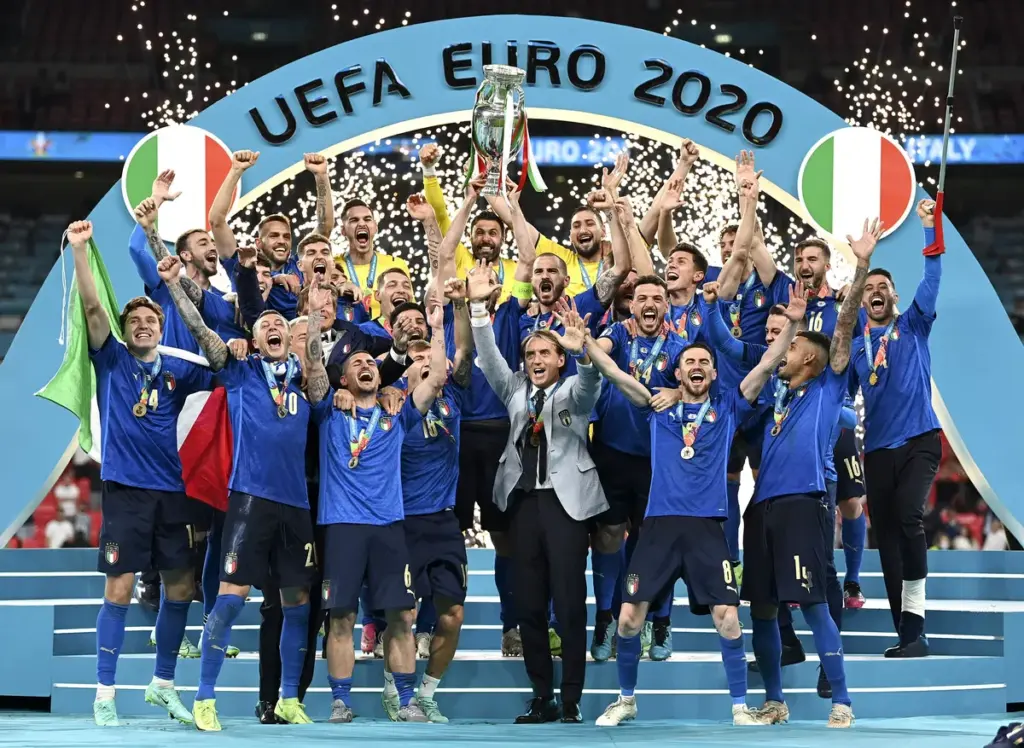
This defeat follows Italy’s previous eliminations from the World Cup in the play-offs in 2018 and 2022, highlighting a troubling trend for the national team. The last time Italy qualified for the World Cup was in 2014, while Bosnia-Herzegovina celebrated their first qualification since then.
The match took place in front of 9,000 spectators, who witnessed a tense and dramatic encounter. Italy’s inability to secure a place in the upcoming World Cup has raised questions about the future direction of the team and its management.
As the national team faces scrutiny, the focus will now shift to potential changes in coaching and player selection. The future of key players such as Gianluigi Donnarumma and Edin Dzeko, who have been pivotal in their respective teams, remains uncertain.
Details remain unconfirmed regarding the immediate steps the Italian Football Federation will take in response to this latest failure. The disappointment felt by fans and players alike is palpable, as Italy continues to grapple with its identity in the world of football.