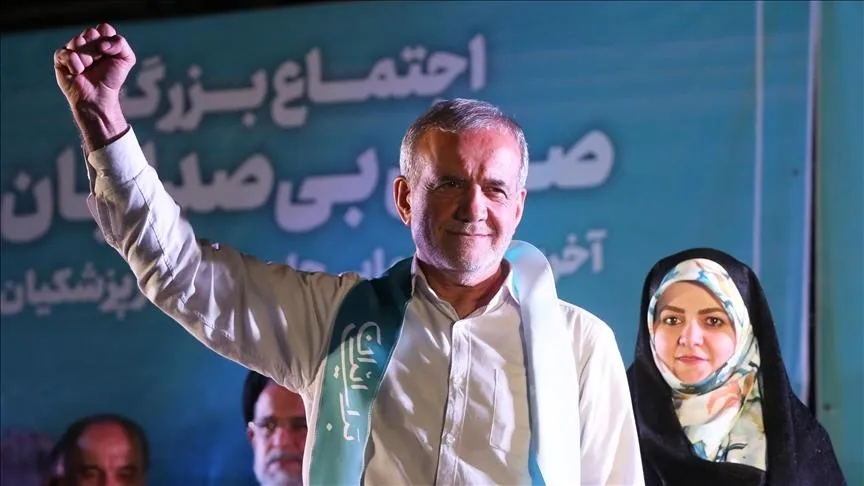
Iranian President’s Apology
On March 7, 2026, Iranian President Masoud Pezeshkian publicly apologized for the attacks on neighboring countries, a move that has quickly ignited backlash from hardliners within Iran.
Pezeshkian’s statement included a commitment that Iran would not initiate attacks on its neighbors unless provoked. He expressed remorse, stating, “I personally apologize to neighbouring countries that were affected by Iran’s actions.” This conciliatory approach, however, has not been well received by all factions in the Iranian leadership.
Internal Backlash
The apology has led to significant dissent among hardliners, including judiciary chief Gholam Hossein Mohseni-Ejei, who contradicted Pezeshkian’s stance by asserting, “Heavy strikes on those targets will continue.” This division highlights the growing internal conflicts following the death of Supreme Leader Ayatollah Ali Khamenei, which has left a power vacuum and increased tensions within the government.
Furthermore, Pezeshkian’s comments have been characterized by some, including former U.S. President Donald Trump, as a sign of weakness, with Trump labeling the offer as a surrender. This reflects the broader geopolitical tensions Iran faces, particularly from the United States and Israel, which have targeted Iran’s military capabilities in recent conflicts.
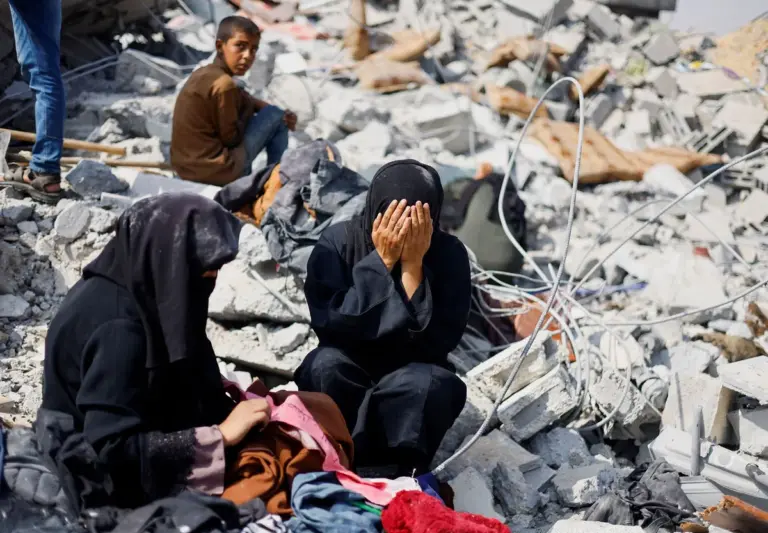
The ongoing conflict has resulted in significant casualties, with 1,230 people killed in Iran, 290 in Lebanon, and 11 in Israel, alongside 6 U.S. troops. The situation remains precarious as the Iranian leadership navigates its response to both internal dissent and external pressures.
Pezeshkian’s apology also included a plea for Gulf states not to align with U.S.-Israeli attacks on Iran, further complicating regional dynamics. The Iranian leadership council, currently overseeing the country, is facing pronounced internal divisions, which may affect its military strategy moving forward.
Details remain unconfirmed regarding the exact impact of Pezeshkian’s apology on Iran’s military strategy and the response of Gulf states to his remarks. As the situation evolves, the implications of these internal and external pressures on Iran’s future actions remain to be seen.