“Security in the Persian Gulf and the Sea of Oman is either for everyone or for NO ONE,”
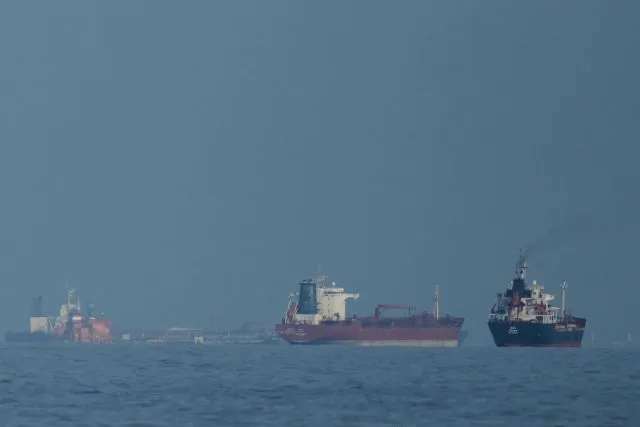
The blockade will be enforced against vessels of all nations entering or departing Iranian ports, a move that has escalated tensions in the region. This announcement came after failed U.S.-Iran ceasefire talks in Pakistan, indicating a significant deterioration in diplomatic relations.
In response to the blockade, Iran has threatened that no port in the region will be safe. Iranian parliament speaker Mohammad Bagher Qalibaf warned, “If you fight, we will fight,”
Iran’s Revolutionary Guard has also stated that military vessels approaching the blockade will receive a ‘forceful response.’ This rhetoric underscores the seriousness with which Iran views the U.S. actions.
Since the onset of the conflict, Iran has managed to export millions of barrels of oil, often through ‘dark’ transits, despite international sanctions. The blockade is expected to impact these operations significantly.
The announcement of the blockade has already had immediate effects on global oil prices, with U.S. crude rising 8% to $104.24 a barrel and Brent crude increasing by 7% to $102.29.
In the U.S., the average price of petrol has surged to more than $4.12 a gallon, a stark increase from less than $3 before the war began. Qalibaf remarked, “Enjoy the current pump figures. With the so-called ‘blockade’, Soon you’ll be nostalgic for $4-$5 gas,”
The UK has distanced itself from the U.S. blockade, stating it will not participate in the enforcement of these measures. This decision may reflect broader concerns about the implications of escalating military tensions in the region.
Iran has characterized the blockade as ‘piracy’ and has vowed to defend its territorial waters. The situation remains fluid, with uncertainties surrounding the exact impact of the blockade on global oil prices and what will happen after the ceasefire expires on April 22.
Details remain unconfirmed regarding the full scope of the blockade’s enforcement and its potential ramifications for international shipping routes, particularly through the strategically vital Strait of Hormuz, where 20% of global oil transits occurred before the fighting began.