What does the recent strike by Iran on Israel signify?
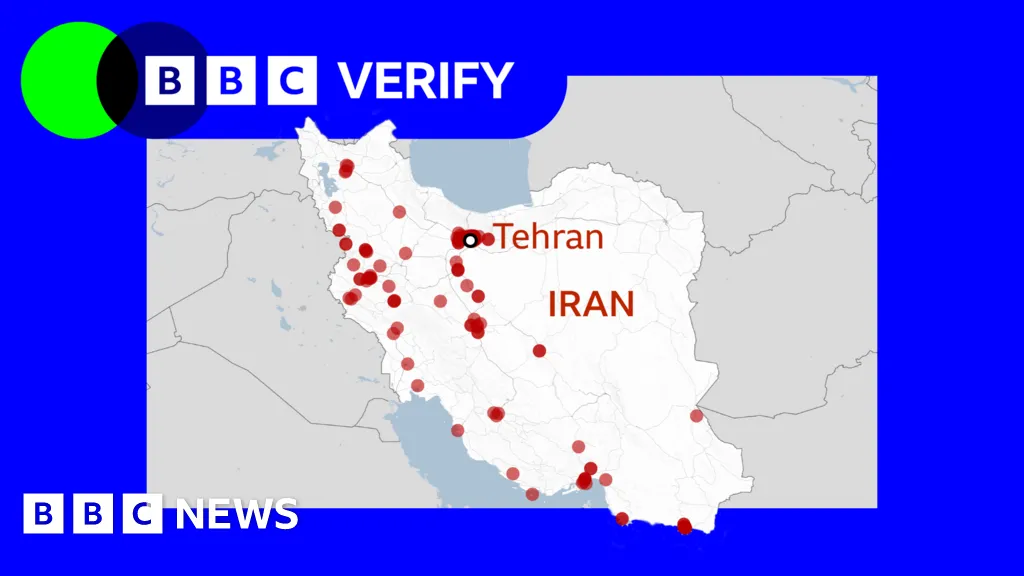
The recent strike by Iran on Israel raises significant concerns regarding the stability of the Middle East. The Iranian state media confirmed the attack on an oil storage facility in Tehran, which has been interpreted as a direct response to ongoing military tensions in the region. This incident underscores the escalating conflict between Iran and Israel, which has been marked by a series of retaliatory strikes and military engagements.
What are the implications of this conflict?
Israeli Prime Minister Benjamin Netanyahu has promised ‘many surprises’ in the next phase of the conflict, indicating that Israel may respond with increased military action. The conflict has already resulted in substantial casualties, with at least 1,230 people killed in Iran, over 290 in Lebanon, and 11 in Israel. The Iranian-backed militant group Hezbollah has also been involved, clashing with Israeli forces in Lebanon, further complicating the situation.
Who are the key players involved?
The conflict has drawn in multiple nations and groups, including the United States and Gulf Arab states. U.S. President Donald Trump has threatened that Iran would be ‘hit very hard’ in response to its actions, reflecting the heightened tensions between these nations. The Iranian leadership, including President Masoud Pezeshkian, has expressed regret for the attacks on neighboring countries, stating, “That’s a dream that they should take to their grave.” This statement highlights the complex dynamics at play, as Iran navigates its military ambitions while attempting to maintain regional relationships.
What has led to this moment?
The current escalation follows a series of U.S. and Israeli strikes targeting Iran’s military capabilities, leadership, and nuclear program. The Iranian leadership council has been in close contact with the armed forces regarding these attacks, indicating a coordinated military strategy. The situation has been exacerbated by the ongoing conflict in the region, which has seen significant military engagement and civilian casualties.
What are the current conditions on the ground?
Reports from Tehran indicate that the city is under severe bombardment, with civilians caught in the crossfire. An anonymous university student described the situation as dire, reflecting the widespread fear and uncertainty among the population. The Iranian Revolutionary Guard Corps (IRGC) has stated that they respect the interests and national sovereignty of neighboring countries, but the reality on the ground suggests a different narrative.
What comes next?
As the conflict continues to unfold, the potential for further military escalation remains high. With U.S. troops already involved and casualties mounting, the international community is closely monitoring the situation. The Iranian military’s capabilities, including its warships, have already been targeted, with reports indicating that 42 Iranian warships have been knocked out by U.S. forces. The future of this conflict remains uncertain, with many questions about the next steps for both Iran and Israel.
The ongoing conflict between Iran and Israel represents a critical moment in Middle Eastern geopolitics. As both nations prepare for potential further military actions, the implications for regional stability are profound. Details remain unconfirmed as the situation develops, leaving many to speculate on the future of this volatile conflict.