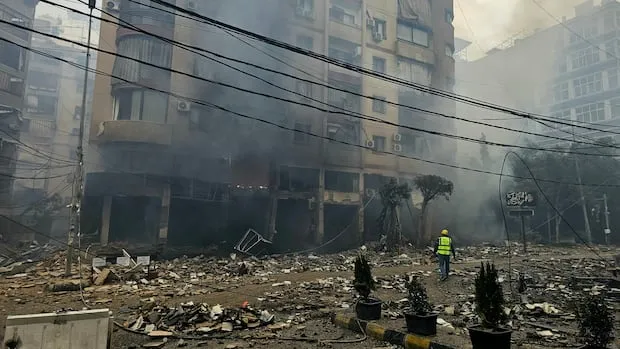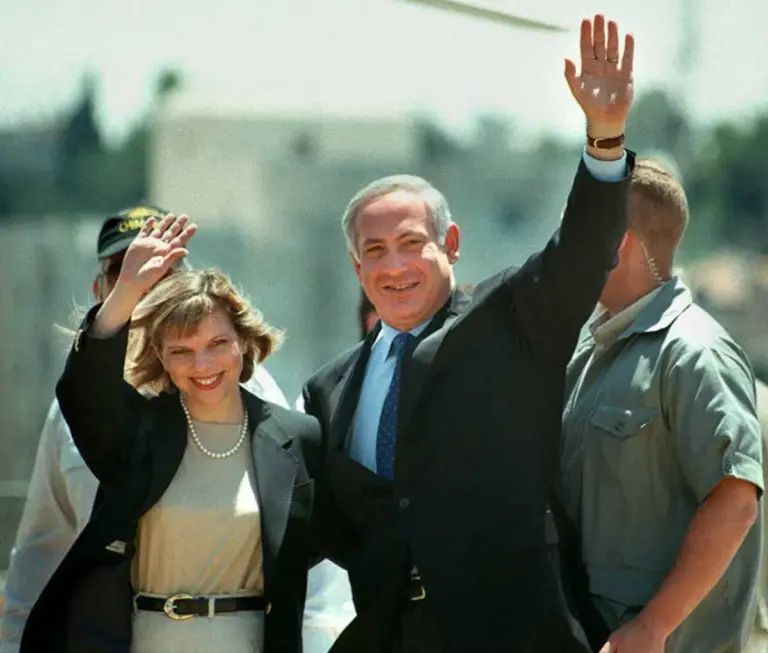
The Iran Israel War has escalated dramatically, leading to significant military actions and rising tensions in the Middle East. The conflict has resulted in the deaths of 13 active U.S. service personnel, including six crew members who died in a plane crash in Iraq. This escalation has raised concerns about regional stability and global oil prices.
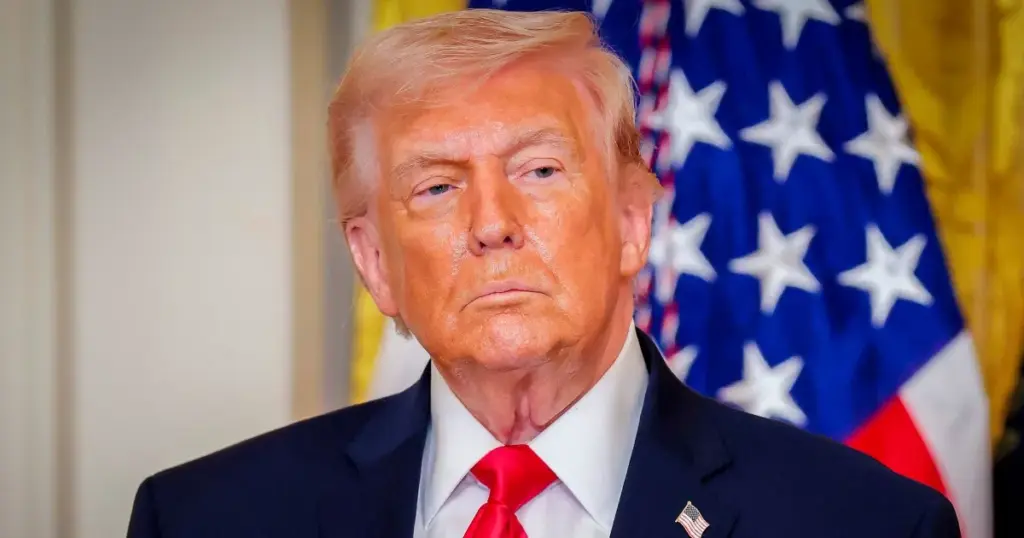
President Donald Trump has indicated that Iran is willing to negotiate a ceasefire, stating, “Iran wants to make a deal, and I don’t want to make it because the terms aren’t good enough yet.” However, the specifics of what would constitute acceptable terms remain undisclosed.
In response to the ongoing conflict, the U.S. has conducted precision strikes on 90 military targets in Iran while preserving oil infrastructure. These military actions have reportedly led to a 95 percent decrease in Iranian drone attacks and a 90 percent decrease in ballistic missile attacks, according to Karoline Leavitt, who noted, “The United States Military’s accomplishments alongside the Israel Defense Forces speak for themselves.”
As the conflict continues, Israel is reportedly running critically low on ballistic missile interceptors, raising concerns about its defensive capabilities. Additionally, Iran has been targeting oil infrastructure and government centers in Middle Eastern countries, including the UAE, Bahrain, and Kuwait, further destabilizing the region.
Trump has also questioned the status of Iran’s new supreme leader, Mojtaba Khamenei, stating, “I don’t know if he’s even alive. So far, nobody’s been able to show him.” This uncertainty adds to the complexities of the ongoing conflict.
In light of rising global oil prices, Trump mentioned that several countries have committed to helping secure the Strait of Hormuz. The average gas price in the U.S. has increased from $2.94 on March 1, 2024, to $3.66 by March 14, 2024, reflecting the impact of the conflict on global markets.
Despite the U.S. military’s significant involvement, including firing over 150 THAAD interceptors during the 12-day war with Iran last June, uncertainties remain. It is unclear whether the U.S. Navy will start escorting ships through the Strait of Hormuz, and the exact terms that Trump would consider acceptable for a ceasefire with Iran are not disclosed.
Details remain unconfirmed regarding the future trajectory of the conflict and the potential for further military actions. The situation remains fluid, with the potential for additional developments as the U.S. and its allies respond to Iran’s actions in the region.