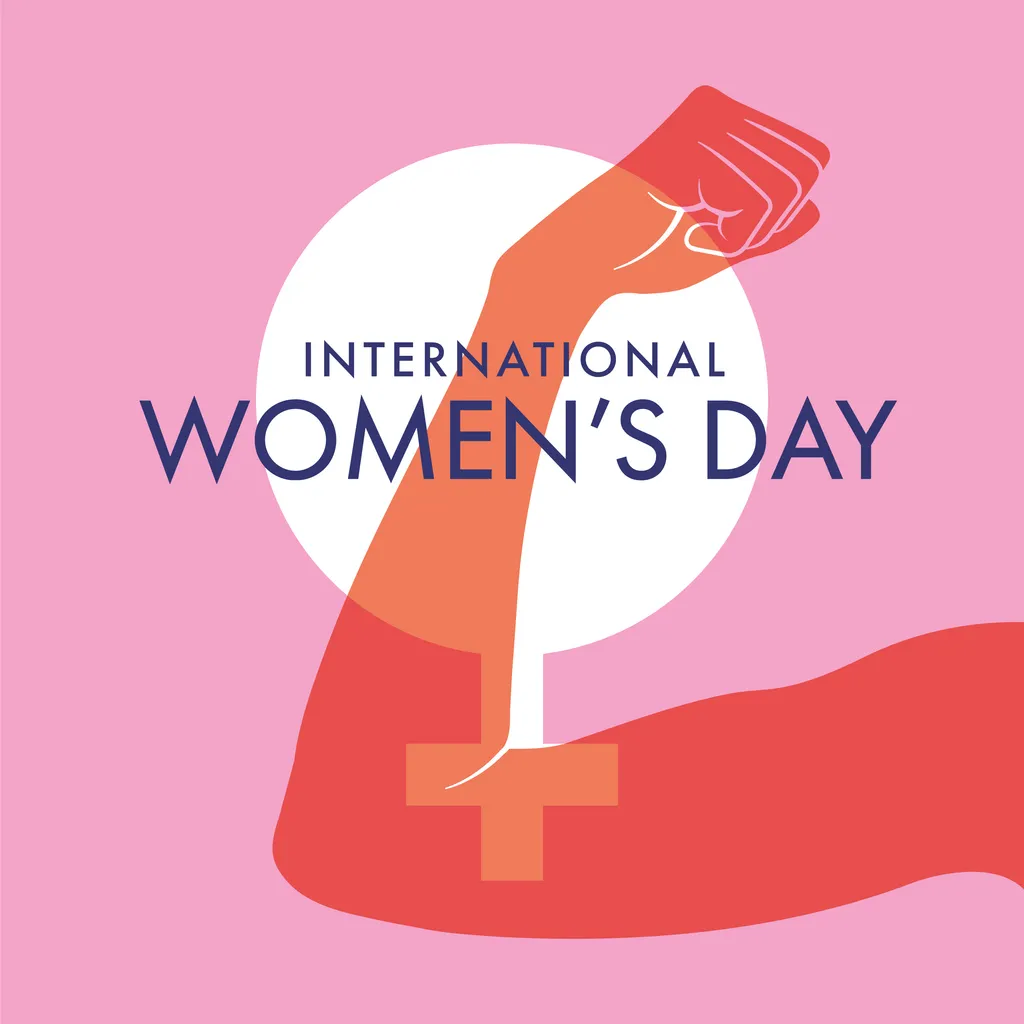
International Women’s Day has been celebrated for over a century, serving as a platform to mark progress towards gender equality. Historically, this day has highlighted the struggles women face globally, from suffrage movements to contemporary issues such as workplace discrimination and gender-based violence. As we approach International Women’s Day 2026, the focus shifts to a pressing theme: ‘Rights. Justice. Action. For ALL Women and Girls.’
Decisive Changes
In the lead-up to 2026, significant discussions and events have underscored the urgent need for action regarding women’s health and rights. A pivotal moment occurred on March 5, 2026, when international organizations, policymakers, and health experts convened to assess the progress made over the past decade. This gathering highlighted that women make up 51% of the population in the WHO European Region, yet nearly one in three women experiences physical or sexual violence at least once in her lifetime. These alarming statistics reveal a stark contrast between the demographic representation of women and the persistent violence they face.
Immediate Effects
The discussions at the March 5 event served as a crucial opportunity to evaluate the effectiveness of existing health policies and identify areas requiring stronger action. Despite the presence of women in significant numbers within the population, fewer than 40% of countries in the European region have adopted the minimum health service policies recommended by the WHO for post-rape care. This gap in policy implementation underscores the ongoing challenges women encounter in accessing necessary health services and support.
Expert Perspectives
Experts from organizations such as UNICEF, UN Women, and the European Institute of Women’s Health emphasize that women’s health is a cornerstone of equitable and resilient societies. They argue that persistent inequalities in income, employment opportunities, education, and social protection continue to affect women across their life course. Health outcomes are influenced by various determinants, including cultural norms, environmental conditions, commercial influences, and economic status. This multifaceted approach is essential for understanding the complexities surrounding women’s health.
Future Directions
The Second European Programme of Work 2026–2030 (EPW2) aims to prioritize stronger health sector leadership in preventing and responding to violence against women and girls. This initiative reflects a growing recognition of the need for coordinated action across education, labor markets, social protection systems, and public health institutions. By addressing these interconnected areas, stakeholders hope to create a more supportive environment for women’s health and well-being.
As International Women’s Day 2026 approaches, the focus on ‘Rights. Justice. Action. For ALL Women and Girls.’ serves as a reminder of the ongoing struggles and the need for collective action. Violence against women remains one of the most serious threats to women’s health and well-being worldwide, and the call for justice and rights is more urgent than ever. The progress made in the past decade must be built upon to ensure a future where all women and girls can thrive without fear of violence or discrimination.