Historical Context and Expectations
International Women’s Day, celebrated annually on March 8, has long served as a platform for advocating women’s rights and gender equality. Historically, this day has been marked by various events worldwide, with expectations for progress and recognition of women’s contributions to society. In Canada, local councils and communities have often organized cultural activities to celebrate women’s achievements. Meanwhile, in Mexico, the day has increasingly become a focal point for protests against gender-based violence and discrimination.
Decisive Moments in 2023
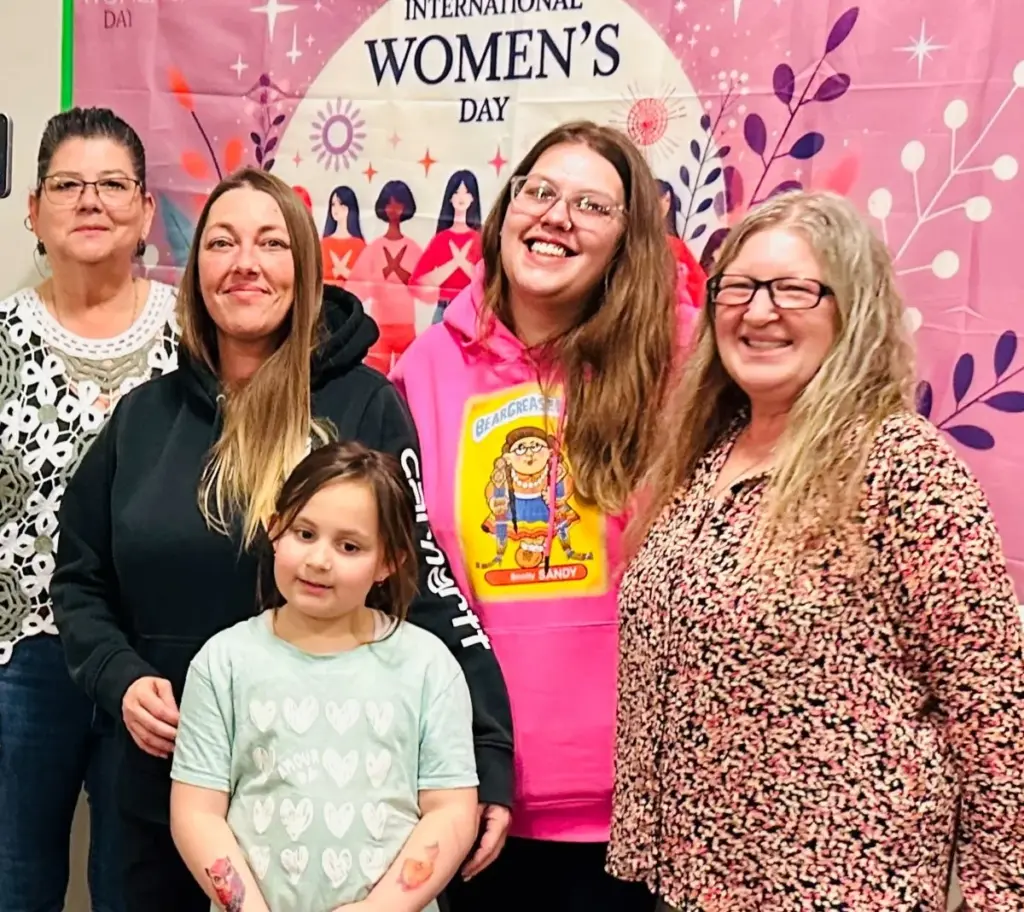
On March 7, 2023, the day before International Women’s Day, significant events unfolded in Sault Ste. Marie, Canada, and Mexico City, Mexico. The Historic Sault Ste. Marie Métis Council celebrated the occasion with hands-on cultural activities, crafting over 100 cards for Elders in local nursing homes. This initiative highlighted the community’s commitment to honoring its heritage and supporting its members.
In stark contrast, tens of thousands of women marched through Mexico City and across the country, demanding an end to gender-based discrimination and violence. The protests were fueled by alarming statistics, including an average of 10 women killed per day in Mexico and the fact that only one in 10 cases involving femicide result in a conviction. The colors purple and green, symbolizing justice and reproductive rights, dominated the demonstrations, reflecting the urgency of the issues at hand.
Direct Effects on Communities
The events in Sault Ste. Marie fostered a sense of community and resilience among the Métis people. Lisa Kisch, the HSSMMC Women’s Representative, remarked, “The overwhelming success of the day serves as a powerful reminder of the strength, resilience, and unity embedded in our Métis community.” This celebration of culture and support for Elders underscores the importance of community engagement in addressing women’s issues.
Conversely, the protests in Mexico City highlighted the dire need for systemic change. Activists like Yesenia Zamudio emphasized the necessity of public demonstrations, stating, “We have to go out and march, to shout, to demand justice and an end to femicides.” The outcry from women across Mexico reflects a growing awareness and refusal to accept the status quo regarding gender violence.
Expert Perspectives and Data
Clarington Mayor Adrian Foster issued a statement honoring the progress made toward gender equity, acknowledging the efforts of generations of women who have fought for their rights. He noted, “International Women’s Day is an opportunity to honour the progress made toward gender equity, driven by generations of determined women who bravely paved the way.” This recognition is crucial in understanding the broader implications of the day, as it serves as a reminder of the ongoing struggles many women face.
The election of Claudia Sheinbaum as Mexico’s first woman president in 2024 marks a significant milestone in the country’s political landscape. Sheinbaum’s declaration of 2025 as the year of the Indigenous woman further emphasizes the need for inclusive policies that address the unique challenges faced by marginalized groups. This shift in leadership could potentially lead to more substantial changes in addressing gender-based violence and discrimination in Mexico.
The events surrounding International Women’s Day 2023 in Sault Ste. Marie and Mexico City illustrate the contrasting experiences of women in different contexts. While one community celebrated cultural heritage and support for its members, another demonstrated against the pervasive violence and discrimination faced by women. As the fight for gender equity continues, the voices of women from various backgrounds will remain essential in shaping the future.