What does the future hold for women’s leadership in Sri Lanka?
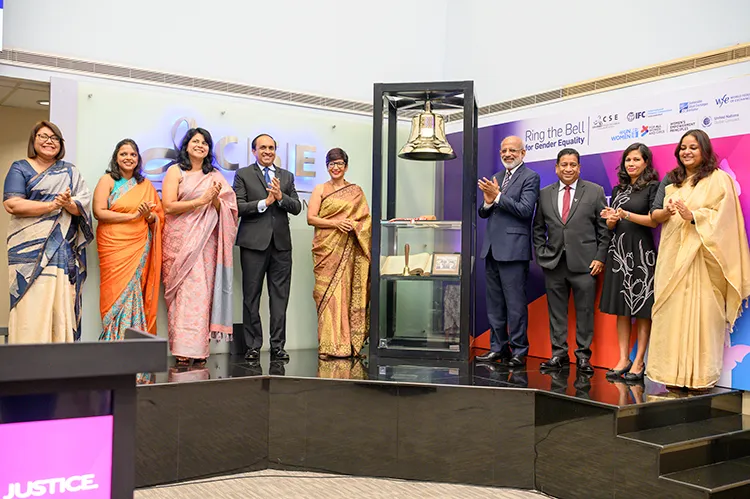
On March 8, 2026, the International Finance Corporation (ifc), in collaboration with the Colombo Stock Exchange and global partners, rang the opening bell to mark a significant step towards advancing women’s leadership and economic empowerment in Sri Lanka. This event raises the question: how effective are these initiatives in promoting gender equality in corporate governance?
As of this year, women’s representation on boards of companies listed on the Colombo Stock Exchange has reached 13.7 percent, a slight increase from 13.4 percent last year. This gradual progress reflects ongoing efforts to dismantle discriminatory laws and strengthen legal protections for women in the workplace. The Ring the Bell for Gender Equality Initiative, which includes 114 participating exchanges and central counterparty clearinghouses (CCPs), aims to foster inclusive financial markets and promote the full participation of women in economic activities.
The event, held in honor of International Women’s Day, featured prominent leaders from the business and financial sectors, including Jayanthi Dharmasena, Managing Director of Hayleys Agriculture Holdings Ltd, and Nandini Sukumar, CEO of the World Federation of Exchanges. Dharmasena emphasized the importance of unlocking the economic potential of women, stating, “If this country wants inclusive growth, then we must unlock the full potential and economic power of women.” This sentiment resonates with the overarching goals of the initiative, which seeks to achieve the Sustainable Development Goals through gender equality.
Gevorg Sargsyan, the Country Manager for the World Bank Group in Sri Lanka and the Maldives, highlighted the connection between employment and dignity, asserting, “A job is the surest path to dignity and poverty reduction.” This perspective underscores the critical role that women’s economic empowerment plays in broader societal development.
Nilupa Perera, a key figure in the initiative, articulated the challenges women face in the workplace, noting, “Women who enter any space of employment ask themselves if there is a place for them, both in the company and in the company leadership. Our answer, through our actions, our leadership, and events like this one, is a resounding yes.” This affirmation of support is crucial for encouraging more women to pursue leadership roles.
The initiative not only focuses on increasing representation but also advocates for the elimination of barriers that hinder women’s participation in the workforce. By aligning with International Women’s Day, the ifc and its partners are reinforcing their commitment to gender equality and economic empowerment.
As the initiative progresses, the impact of these efforts on women’s leadership in Sri Lanka remains to be fully seen. While the increase in representation on boards is promising, the journey towards true equality in the workplace is ongoing. Details remain unconfirmed regarding the specific measures that will be implemented to sustain this momentum and further enhance women’s roles in leadership positions.
In summary, the collaboration between the ifc, the Colombo Stock Exchange, and various global partners marks a pivotal moment in Sri Lanka’s pursuit of gender equality in corporate governance. The commitment to advancing women’s leadership and economic empowerment is not only a local priority but also a global imperative, as highlighted by the participation of international organizations in this significant initiative.