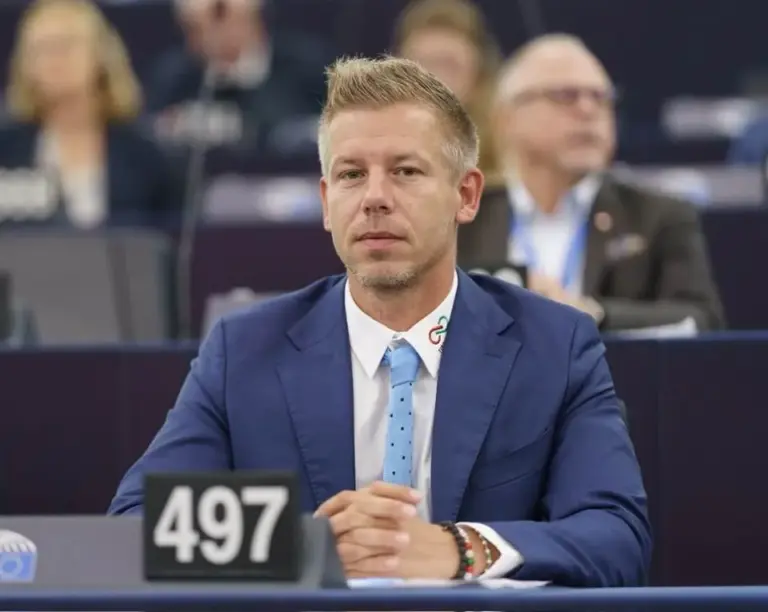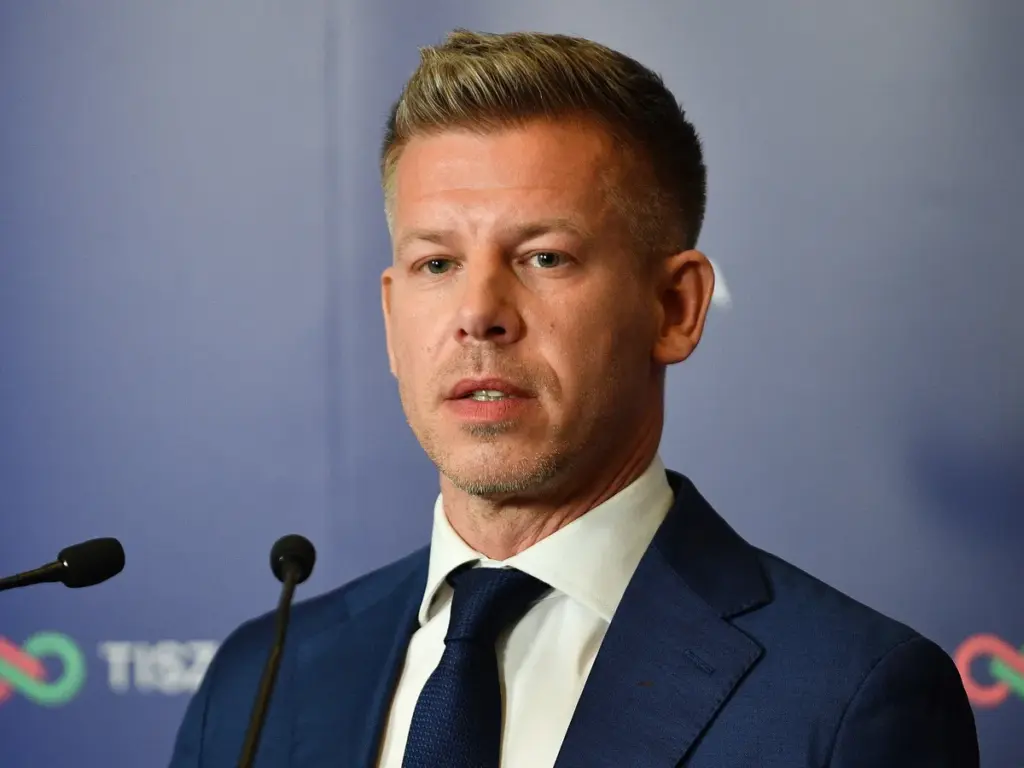
What does the recent election in Hungary signify for the future of the country? The answer is clear: Peter Magyar’s Tisza party has emerged victorious, ending Viktor Orban’s 16-year tenure as Prime Minister.
In the parliamentary elections held on April 13, 2026, Magyar’s Tisza party secured an impressive 138 seats in the 199-seat parliament, translating to 53.6 percent of the total votes cast. In contrast, Orban’s Fidesz party managed to win only 55 seats with 37.8 percent of the votes.
Magyar’s victory speech resonated with many Hungarians as he declared, “Tonight, truth prevailed over lies.” This statement reflects the sentiments of a populace eager for change after years of Orban’s governance, which had been marred by allegations of corruption and economic mismanagement.
Interestingly, Peter Magyar was once a loyal supporter of Viktor Orban, which adds a layer of complexity to this political shift. His rise to power has been influenced by various factors, including a scandal involving his former wife, Judit Varga, who has publicly criticized him, stating, “He is not worthy of anybody’s trust.”
Born in Budapest in March 1981, Magyar has three children with his former wife and has held various positions in government, including an official role in the Ministry of Foreign Affairs since 2010. His election victory is seen as a beacon of hope for many young Hungarians who have lived under Orban’s regime.
Magyar has pledged to revive Hungary’s economy and improve relations with the European Union, which may signal a shift in the country’s foreign policy direction. As he takes office, the implications of his leadership remain to be seen.
Supporters like Zalan Varga have expressed optimism, stating, “Hungarians have every reason to feel hopeful, especially after living their lives under the same regime for 16 years that was fuelled purely by hate and setting people against each other.” This sentiment encapsulates the desire for a new beginning in Hungary.
As the political landscape evolves, the future of Hungary under Peter Magyar’s leadership will be closely monitored, particularly in terms of economic reforms and international relations. Details remain unconfirmed regarding the specific policies he will implement.