What happened?
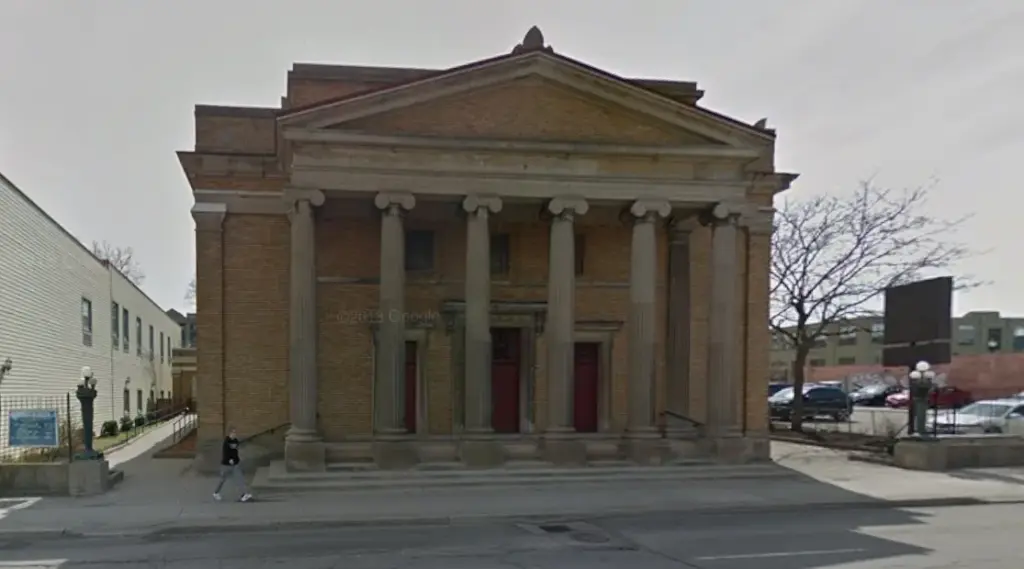
Trinity United Church in Iroquois Falls, Ontario, has transitioned from a traditional church building to worshipping in a public space at the local community museum. This decision, made three years ago, was aimed at reducing the costs and demands associated with maintaining a physical building. Meanwhile, First Pilgrim United Church in Hamilton faces challenges in selling its heritage-designated building, which complicates its closure plans. Additionally, the community of Colville Lake, N.W.T., is adapting to the loss of its iconic church, Our Lady of the Snows, which was destroyed by fire last September.
Why it matters?
These developments highlight the evolving role of churches in their communities. Trinity United has embraced a model that prioritizes community engagement and service over physical space, demonstrating that the essence of a church lies in its people and their commitment to each other. Conversely, First Pilgrim’s heritage designation may hinder its ability to sell the building, impacting the congregation’s future. In Colville Lake, the loss of the church has forced the community to find alternative spaces for worship, reflecting the deep emotional and cultural significance of such institutions.
What’s next?
Trinity United will continue to focus on community service and engagement, reinforcing the idea that church is about connection rather than a physical structure. First Pilgrim United will need to navigate the complexities of its heritage designation while seeking potential buyers for its building. The community of Colville Lake will likely continue to adapt its worship practices, utilizing local venues until a more permanent solution is found for their spiritual needs.