How it unfolded
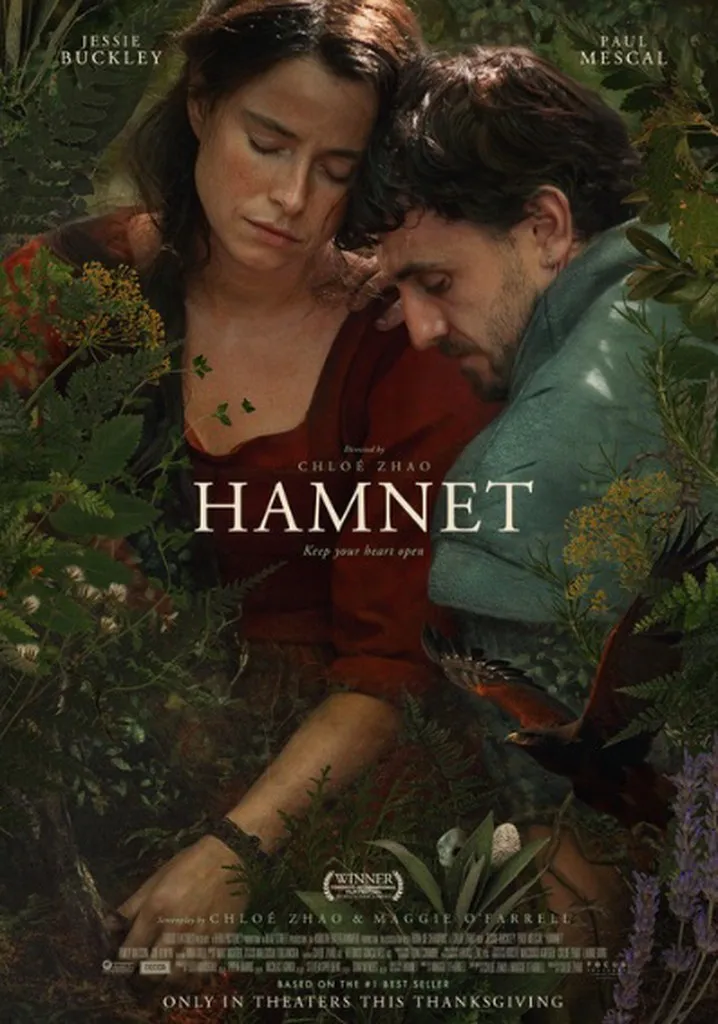
As the film industry prepared for the 2026 Academy Awards, anticipation was high for the movie “Hamnet,” directed by Chloé Zhao. The film, based on Maggie O’Farrell’s acclaimed 2020 novel, dramatizes the life of William Shakespeare and his wife Agnes as they navigate the profound grief of losing their son, Hamnet. This poignant narrative resonated with audiences and critics alike, setting the stage for a memorable awards season.
On March 15, 2026, the Oscars ceremony took place, and Jessie Buckley, who portrayed Agnes, emerged as a standout contender. Her performance was widely praised for its emotional depth, capturing the turmoil and tenderness of a mother grappling with loss. Buckley’s portrayal was described as having “cracked a kind of tenderness” within her, showcasing her ability to embody the complexities of grief.
As the evening progressed, the tension mounted, and when the award for Best Actress was announced, Buckley’s name was called. This victory marked a significant milestone, as she became the first Irish actress to win the Best Actress Oscar. In her acceptance speech, Buckley expressed her gratitude, stating, “Thank you to the incredible women that I stand beside,” and dedicated her award to the “beautiful chaos of a mother’s heart.”
The film “Hamnet” received a total of eight Oscar nominations, reflecting its critical acclaim and the impact it had on audiences. Buckley’s win was not just a personal achievement but also a recognition of the film’s powerful storytelling and the emotional resonance of its themes. The narrative of a mother’s love and loss struck a chord, making it a significant work in contemporary cinema.
In the wake of her Oscar win, Buckley has been celebrated not only for her talent but also for her role in bringing attention to the emotional complexities faced by mothers. Her performance has sparked discussions about the representation of grief in film and the importance of storytelling that delves into the human experience.
As of now, the film “Hamnet” continues to garner attention, with audiences eager to witness Buckley’s acclaimed performance. The film’s exploration of Shakespeare’s life through the lens of personal tragedy offers a unique perspective on the playwright’s legacy, intertwining historical narrative with deeply personal themes.
The significance of this sequence of events extends beyond the awards night itself. Buckley’s win highlights the importance of diverse narratives in cinema and the power of storytelling to evoke empathy and understanding. The film’s exploration of loss and love resonates with many, making it a vital addition to the cinematic landscape.
As the film industry looks ahead, the success of “Hamnet” may pave the way for more adaptations of literary works that focus on the emotional journeys of characters, particularly those of women. The impact of Buckley’s performance and the film’s narrative will likely influence future projects, encouraging filmmakers to explore the depths of human emotion in their storytelling.