How it unfolded
On April 4, 2026, Hamideh Soleimani Afshar, the niece of the late Iranian general Qassem Soleimani, was arrested in Los Angeles, California. This event occurred against the backdrop of escalating tensions between the United States and Iran, particularly following the commencement of a US and Israeli military campaign against Iran on February 28, 2026.
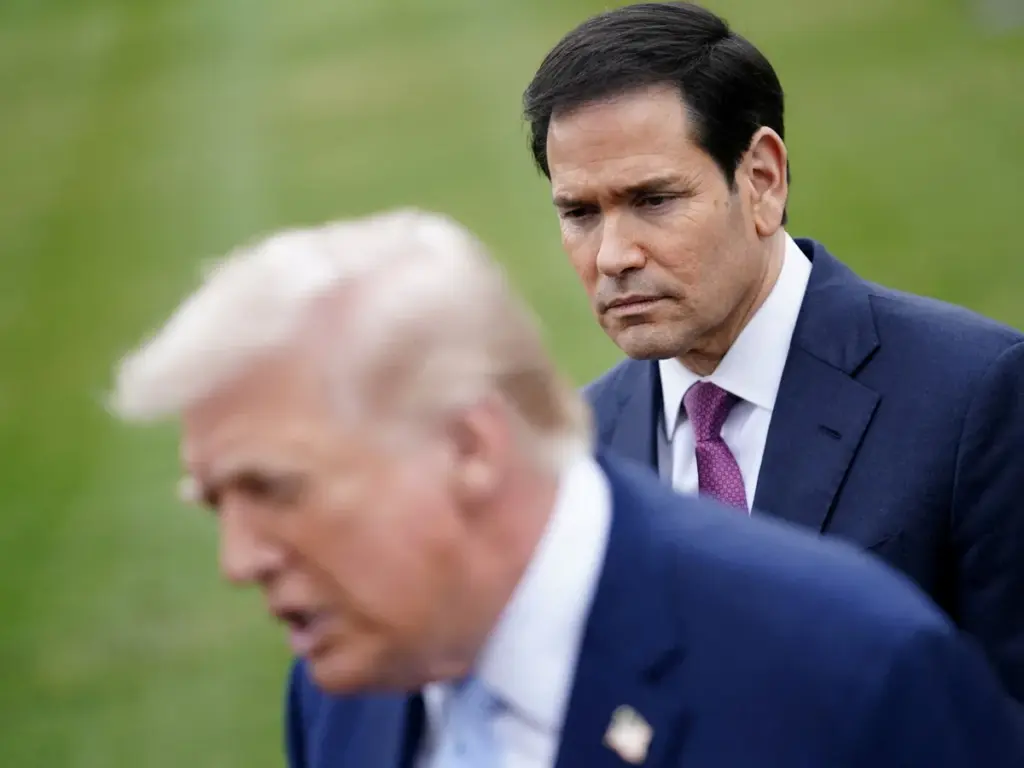
The US State Department had previously accused Soleimani Afshar of being an “outspoken supporter” of the Iranian regime. In light of her comments, which included celebrating attacks on Americans and referring to the US as the “Great Satan,” her permanent residency was revoked. Marco Rubio, a prominent US senator, stated that he terminated her legal status due to her support for what he termed an “anti-American terrorist regime.”
In the weeks leading up to her arrest, public pressure mounted, with online petitions gathering significant support. One petition calling for Soleimani Afshar’s deportation garnered over 4,000 signatures, reflecting growing discontent among segments of the American public regarding her presence in the country.
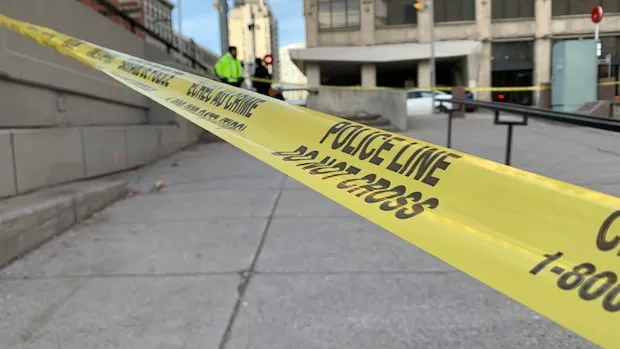
On the day of her arrest, federal agents from Immigration and Customs Enforcement (ICE) took Soleimani Afshar and her daughter into custody. They are currently being held by ICE, while her husband has also been barred from entering the United States. This action is part of a broader trend, as the US government has taken similar measures against other relatives of Iranian leaders.
In response to the arrests, Zeinab Soleimani, Hamideh’s daughter, denied any connections between her family and Qassem Soleimani, asserting that the claims made by the US State Department were false. She emphasized that her mother and grandmother had no ties to the late general, who was assassinated in a US drone strike in January 2020.
The situation remains fluid, with many observers noting the significance of these events amid ongoing geopolitical tensions. Laura Loomer, a political activist, remarked, “This is a big scalp,” indicating the broader implications of the arrests for US-Iran relations and domestic policy regarding immigration and national security.
As of now, the legal status of Soleimani Afshar and her daughter remains uncertain, with their future in the United States hanging in the balance. The unfolding events highlight the intersection of immigration policy, national security, and international relations, particularly in the context of the US’s stance towards Iran and its leadership.