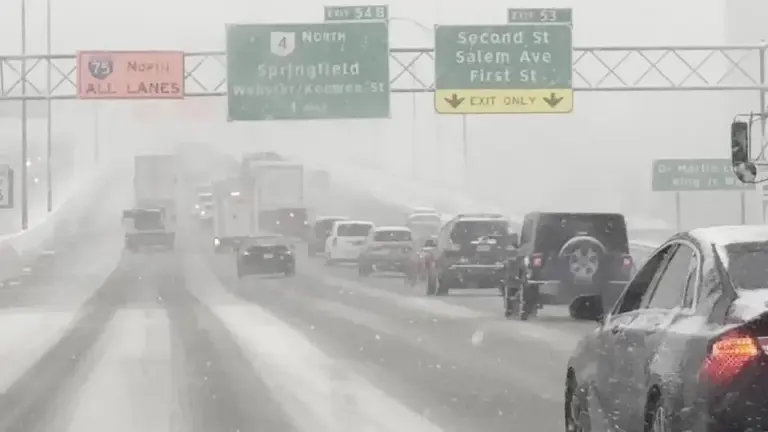
Halifax Weather: A Growing Concern Amid Budget Cuts and Climate Challenges
On March 12, 2026, Halifax, Nova Scotia, faces an escalating crisis as severe weather patterns linked to climate change continue to threaten the region. Premier Tim Houston’s government is under scrutiny as recent budget cuts have significantly impacted environmental initiatives, raising concerns about the future of Halifax weather and its implications for residents.
The immediate circumstances are alarming. Nova Scotia has recorded the highest rate of home insurance inflation in Canada at 12.1%, with some individuals experiencing a staggering 54% increase in premiums between 2025 and 2026. This surge in insurance costs reflects the growing risks associated with climate-related events, including fatal floods, fires, and the aftermath of post-tropical storm Fiona, which have plagued the province in recent years.
In a broader context, the province’s struggles are part of a national trend. In 2024, Canada faced $8.5 billion in insured losses due to severe weather-related incidents, highlighting the urgent need for effective climate change strategies. However, the recent budget cuts have raised concerns about the government’s commitment to addressing these challenges. The Department of Environment and Climate Change saw its budget slashed by 25%, and the entire climate change fund was eliminated, amounting to nearly $5 million in lost resources.
These budget reductions have sparked criticism from various stakeholders. The Canadian Institute of Actuaries emphasized that “the risks from climate change create uncertainty and threaten the stability of Canada’s ecosystems and economies, and the health of Canadians.” This statement underscores the potential long-term consequences of neglecting climate initiatives in the face of increasing weather-related disasters.
Moreover, the budget only mentions ‘climate’ six times, primarily in reference to the department’s name, raising questions about the government’s prioritization of climate issues. As Halifax weather patterns become more unpredictable, the implications for local communities are profound. Residents are left to grapple with the consequences of these decisions as they face rising insurance costs and the threat of extreme weather.
Alena Kharkavets, a climate expert, noted that “Canada is heating at twice the rate of the rest of the globe,” further emphasizing the urgency of the situation. The combination of climate change and reduced funding for environmental programs poses a significant risk to the province’s future resilience against natural disasters.
As Halifax prepares for the challenges ahead, the government’s recent imposition of a $250 annual tax on owners of electric and hybrid vehicles has drawn criticism. This move is seen as counterproductive in the fight against climate change, especially when the province is already struggling with the financial implications of extreme weather.
Details remain unconfirmed regarding the exact impact of these budget cuts on climate change initiatives, but the consensus among experts is clear: without adequate funding and a robust strategy, Halifax weather will continue to pose significant risks to its residents and infrastructure. As the community awaits further developments, the call for action to address climate change and its effects on Halifax grows louder.