Key moments
In a significant development regarding firearm regulation, over 7,000 banned weapons have been declared in Alberta under Ottawa’s gun buyback program. This initiative, which aims to reduce the number of assault-style firearms in circulation, has seen varying levels of participation across Canada, with Alberta and Saskatchewan exhibiting notable resistance.
As of March 31, Public Safety Canada reported that more than 67,000 banned guns have been declared by 37,869 firearm owners nationwide. Despite the federal government’s expectation of 136,000 assault-style firearms to be declared, only 47,000 have been reported so far. This discrepancy raises questions about the effectiveness and acceptance of the program.
Alberta’s government has been particularly vocal in its opposition to the federal gun buyback initiative, directing provincial entities to decline participation. “Alberta’s government stands by its decision not to participate in the federal firearm confiscation program,” stated Mickey Amery, a representative of the Alberta government. This stance reflects a broader sentiment within the province, where many gun owners feel targeted by the regulations.
In Saskatchewan, the situation is even more pronounced, with the province recording the lowest per capita participation in the buyback program. As of March 19, only 793 guns had been declared, highlighting a significant gap in engagement compared to other regions. The Saskatchewan government has not actively promoted the program, contributing to the low numbers.
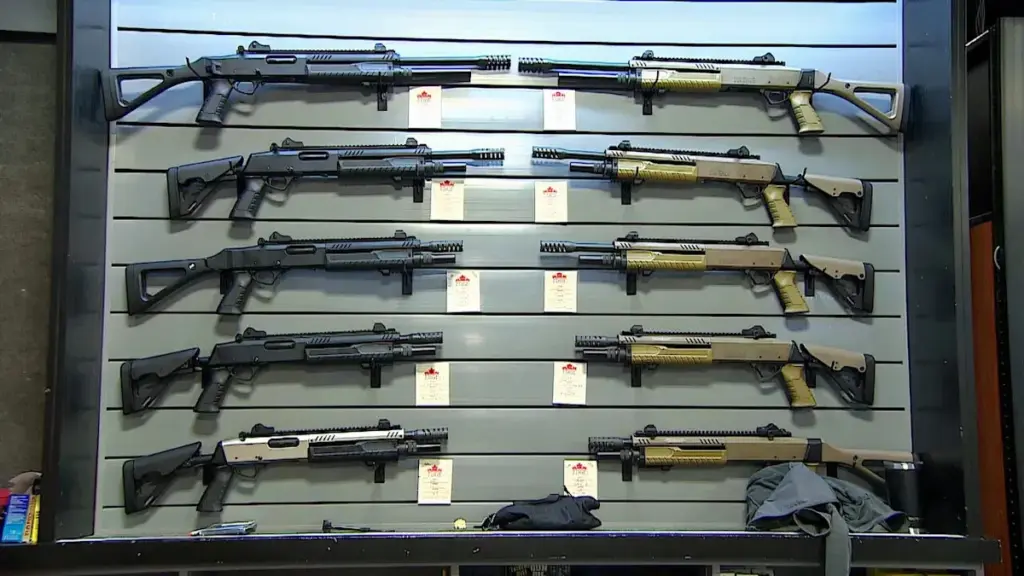
The federal government has banned approximately 2,500 types of firearms, arguing that these weapons are designed for warfare rather than hunting or sport shooting. However, the lack of participation in the buyback program suggests that many firearm owners do not share this view. Tracey Wilson from the Canadian Coalition for Firearm Rights remarked, “The government never actually had the intention of collecting firearms from people. The bans were largely political, and the minister admitted as much.”
Gun owners across Canada are required to dispose of or deactivate prohibited firearms by October 30, regardless of their participation in the compensation program. Failure to comply with this requirement could lead to criminal sanctions and the loss of firearm possession licenses. This looming deadline adds urgency to the situation, as many are still unclear about the implications of the program.
Gary Anandasangaree, a federal representative, expressed concern over the potential consequences for law-abiding citizens who have enrolled in the program, stating, “It means that the citizens who are law-abiding and who have enrolled in the program, regrettably, will not be eligible for compensation.” This statement underscores the complexities and frustrations surrounding the buyback initiative.
As the program progresses, uncertainties remain regarding how Albertans who participated will be compensated and the overall impact of the gun buyback program on public safety. Details remain unconfirmed, leaving many stakeholders awaiting clarity on these critical issues.