Reaction from the field
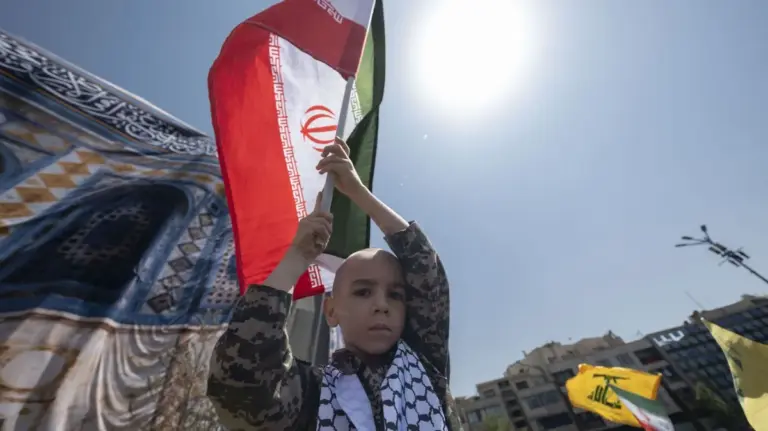
The Iran War has escalated dramatically, resulting in over 3000 deaths since its onset a month ago. This conflict has not only claimed lives but has also heightened geopolitical tensions across the Middle East, drawing in various regional and global powers.
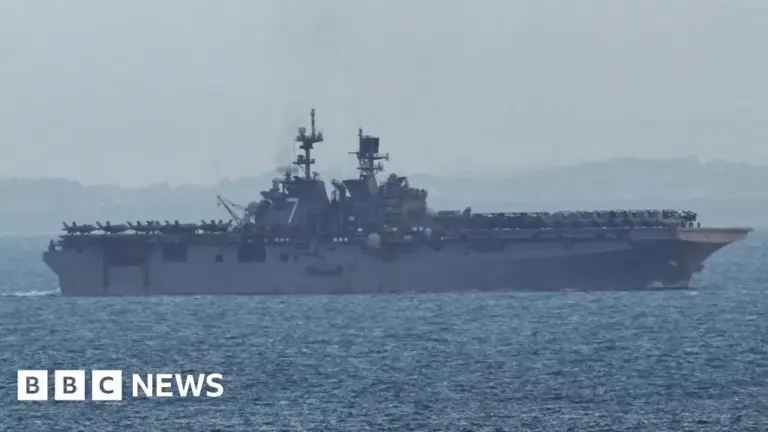
The war began with coordinated US and Israeli strikes against Iran, which prompted Iranian retaliatory attacks on Israel and neighboring Arab states. The Iranian Parliament president has publicly dismissed the prospect of peace talks, labeling them a facade, particularly following the deployment of 2500 US Marines to the Middle East. This military buildup has further inflamed tensions, with Iranian authorities warning of retaliation after airstrikes targeted several universities in Iran.
As the conflict rages on, Iranian authorities report that over 1900 people have been killed within Iran due to the ongoing hostilities. In Lebanon, the situation is similarly dire, with over 1200 fatalities attributed to the war. Additionally, there have been reports of 80 security force deaths in Iraq and 20 in Gulf states, underscoring the broader regional impact of the conflict.
In a bid to address the escalating violence, the US has proposed a 15-point action list to Iran through Pakistan, aiming to establish a framework for a potential peace agreement. In response, Iran has drafted its own five-point proposal for negotiations, indicating a willingness to engage in dialogue despite the ongoing hostilities.
Pakistan has positioned itself as a facilitator in these discussions, with Finance Minister Ishaq Dar expressing satisfaction that both Iran and the United States have shown confidence in its role. However, the nature of the upcoming talks remains uncertain, as it is unclear whether they will be direct or indirect. Furthermore, the exact details of the proposed peace framework by the US have yet to be specified.
Amidst these developments, the Iranian Revolutionary Guard has issued a stark warning, stating that if the US government wishes to protect its universities in the region, it must condemn the bombing of Iranian universities by noon on March 30. This ultimatum highlights the precarious situation and the potential for further escalation if diplomatic efforts fail.
As the conflict continues to evolve, the Iranian government has been labeled by some regional leaders, such as Anwar Gargash, as the main threat to the security of the Persian Gulf. The situation remains fluid, and details remain unconfirmed regarding the outcomes of the proposed negotiations and the future trajectory of the war.