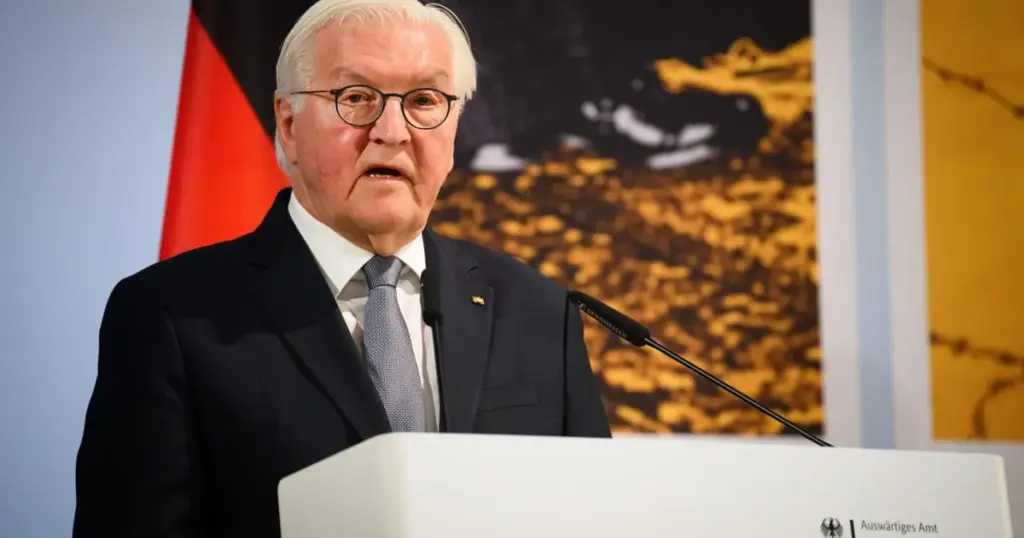
Before the recent developments, the expectation was that Germany would maintain a supportive stance towards U.S. foreign policy, particularly under the leadership of President Donald Trump. However, on March 24, 2026, German President Frank-Walter Steinmeier took a decisive step by criticizing the Iran war, describing it as a “disastrous mistake” and a violation of international law.
Steinmeier, who previously served as Germany’s foreign minister and played a key role in negotiating the nuclear deal with Iran, emphasized that the conflict was politically avoidable. His remarks reflect a significant shift in Germany’s diplomatic posture, especially in light of the growing divide between the U.S. and its European allies.
In his statements, Steinmeier drew a stark comparison between the current transatlantic rift and Germany’s historical separation from Russia following the invasion of Ukraine in 2022. He asserted that there would be no return to the previous state of transatlantic relations, particularly before January 20, 2025, indicating a permanent shift in the geopolitical landscape.
Steinmeier’s role as president, which is largely ceremonial, allows him the freedom to express such views without the constraints faced by other politicians. He urged for Germany to enhance its independence from U.S. influence in defense and technology, a call that resonates with a growing sentiment within Germany regarding its military strategy.
Furthermore, he highlighted the necessity for Germany’s military to become the backbone of conventional defense in Europe. This assertion comes amidst reports that trade between the U.S. and Germany reached over 163 billion euros ($190 billion) in the first eight months of 2025, underscoring the economic ties that still bind the two nations.
However, Steinmeier noted a significant shift in trade dynamics, with China overtaking the U.S. as Germany’s top trading partner during the same period. This change reflects broader trends in global trade and may influence Germany’s future foreign policy decisions.
Steinmeier’s criticism of the Iran war aligns with his view that the current U.S. administration has adopted a worldview that disregards established international norms and partnerships. He stated, “Our foreign policy does not become more convincing just because we do not call a breach of international law a breach of international law.”
As the debate over Germany’s stance on the Iran war intensifies, Steinmeier’s comments may serve as a catalyst for further discussions on the country’s role in international affairs and its relationship with the U.S.
In summary, this shift in rhetoric from the German president marks a notable departure from previous expectations, highlighting the evolving nature of transatlantic relations and the complexities of global diplomacy.