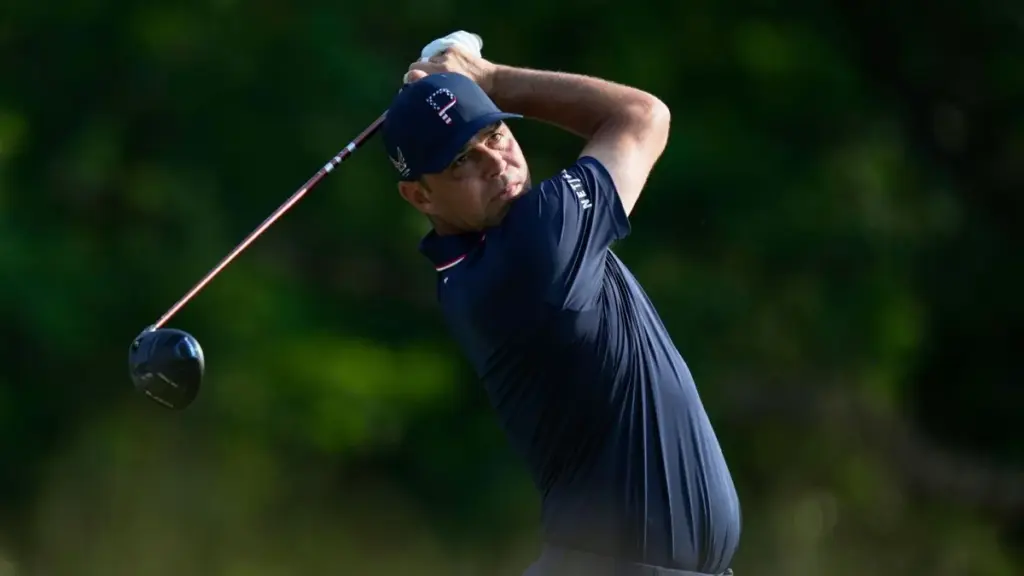
Gary Woodland Opens Up About His PTSD Diagnosis
In a candid revelation, professional golfer Gary Woodland has shared his struggles with post-traumatic stress disorder (PTSD), stemming from a significant medical procedure he underwent in September 2023. The 41-year-old athlete, known for his impressive victory at the 2019 U.S. Open, has been open about the challenges he faces as he navigates both his mental health and his career on the PGA Tour.
Woodland’s journey took a critical turn when he underwent brain surgery to remove a lesion pressing on his brain. This procedure marked the beginning of a difficult chapter in his life, as he was diagnosed with PTSD about a year later. The diagnosis has profoundly impacted his personal and professional life, leading him to experience symptoms during high-pressure events, including the 2025 Procore Championship.
During his recovery, Woodland has expressed feelings of despair, stating, “I feel like I’m dying, and I feel like I’m living a lie.” These poignant words highlight the internal struggle many face when dealing with mental health issues, particularly in the high-stakes world of professional sports. Despite these challenges, Woodland has emphasized the importance of seeking help, stating, “I can’t waste energy anymore hiding this, and I’m blessed with a lot of support out here on the Tour.”
His return to the PGA Tour at the start of 2024 marked a significant milestone in his recovery journey. Woodland has received support from the PGA Tour, including extra security protocols to help him manage his symptoms while competing. This assistance underscores the growing recognition of mental health issues within professional sports and the need for supportive environments for athletes.
Woodland’s openness about his PTSD aims not only to raise awareness but also to inspire others facing similar challenges. He has expressed a desire to help others, stating, “I want to help people, too. I realize now I’ve got to help myself first.” This commitment to sharing his story reflects a broader movement within sports to address mental health openly and without stigma.
As Woodland continues to navigate his recovery and return to competitive golf, his journey serves as a reminder of the importance of mental health awareness. The support he has received from the PGA Tour and his willingness to share his experience may encourage other athletes to seek help and speak out about their own struggles.
In a world where mental health issues are often overlooked, Gary Woodland’s story shines a light on the realities many athletes face. His journey is a testament to resilience and the power of community support, paving the way for a more open dialogue about mental health in sports.