Key moments
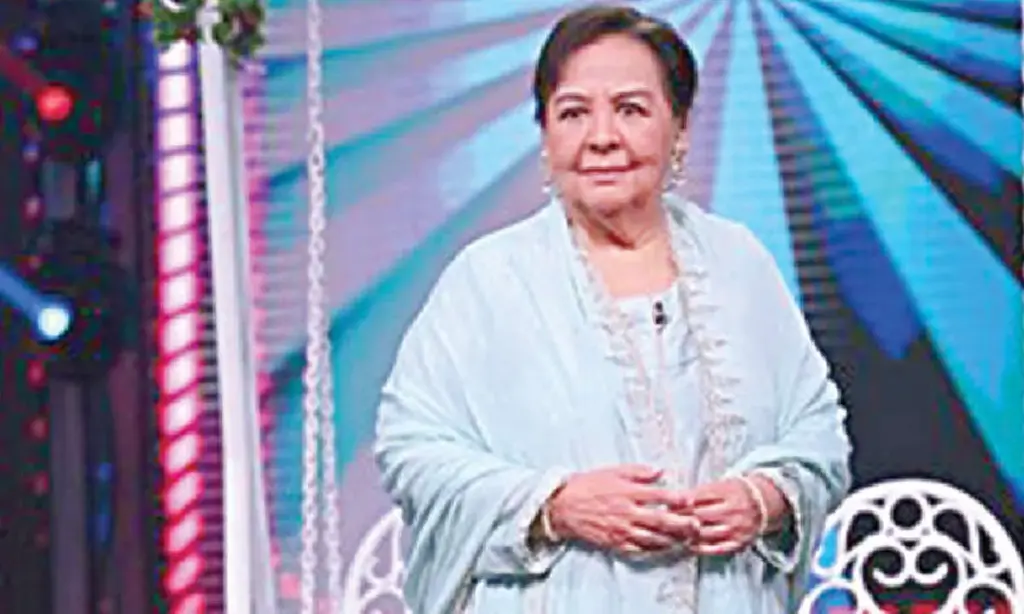
On March 28, 2026, veteran actress Farida Jalal broke down in tears during a poignant episode of Indian Idol 16, aired on Sony LIV. The emotional moment was triggered while she watched singer Shreya Ghoshal perform the classic song “Rahe Na Rahe Hum,” originally sung by the late Lata Mangeshkar.
The performance struck a deep chord with Jalal, who has long admired Mangeshkar, famously stating, “I was madly in love with her.” The episode was particularly significant as it marked a reunion between Jalal and fellow actress Aruna Irani, who had not met in 53 years.
Jalal’s emotional response was palpable as she reflected on Mangeshkar’s legacy. The iconic singer, known as the “Nightingale of India,” passed away on February 6, 2022, at the age of 92, after a career that spanned over seven decades and included thousands of songs. Jalal recalled a memorable moment when she received a phone call from Sanjiv Kohli, who informed her that Mangeshkar wanted her to anchor shows in America.
During the performance, Jalal was visibly overcome with emotion, expressing her feelings with the words, “Ab nahi bola jayega,” which translates to “Now I cannot speak anymore.” This heartfelt admission resonated with viewers, highlighting the profound impact Mangeshkar had on many artists and fans alike.
The episode not only celebrated Mangeshkar’s contributions to Indian music but also showcased the enduring bonds of friendship and admiration among artists. The reunion between Jalal and Irani served as a reminder of the lasting connections formed in the entertainment industry, even over decades apart.
As the episode aired, fans and fellow artists took to social media to express their support and share their own memories of Mangeshkar. The emotional tribute underscored the singer’s lasting influence on the music industry and the hearts of those who grew up listening to her songs.
Farida Jalal’s emotional moment on Indian Idol serves as a testament to the power of music to evoke memories and emotions, bridging the gap between generations and honoring the legacies of those who have passed. As audiences continue to celebrate Mangeshkar’s life and work, the impact of her artistry remains as relevant as ever.